
How a 14-Year-Old Designed a Better Way to Handle Emergencies
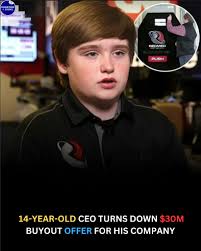
Think back to when you were 14—perhaps you were navigating the halls of middle school, figuring out after-school sports, or obsessing over a new favorite band. Taylor Rosenthal had a different focus: he was busy inventing a vending machine that dispenses first-aid supplies.
Curious about how a young teenager wound up impressing major investors and theme parks? Check out an Inc. Profile that dives into his early entrepreneurial journey. Taylor’s story is a powerful example of being an “early starter,” someone who seizes on an idea long before most people think to try, building synergy and compounding opportunities for success.
A Spark of Inspiration at 14
Taylor grew up in Opelika, Alabama, and was an avid baseball player who spent countless hours at tournaments and sporting events. One day, he noticed a recurring problem: whenever someone got a minor scrape or needed a bandage, finding first-aid supplies was surprisingly difficult and time-consuming. “Why is it so hard to get something as simple as a Band-Aid?” he wondered.
That question led to the seed of what would become RecMed—an innovative vending machine designed to dispense common first-aid items like bandages, gauze, and antiseptic wipes. The idea seemed both obvious and brilliant: if vending machines can sell snacks and drinks anywhere, why shouldn’t they also be able to sell emergency supplies?
Early Planning and Passion
Most 14-year-olds might have shrugged off the inconvenience as an everyday annoyance. But Taylor saw it as an opportunity to do something big. He began by jotting down potential solutions in a notebook—what items should the machine carry, how much should they cost, and where might these machines be most useful? That initial planning phase was crucial. He wasn’t just brainstorming; he was already thinking like an entrepreneur, identifying target markets (like baseball fields, amusement parks, and busy tourist areas) where a RecMed machine would fill a clear need.
When asked about his motivation, Taylor once said, “I just wanted to make it easier for people to get what they need, fast.” It’s a statement that captures the heart of many successful startups: find a real-world pain point and fix it.
From Concept to Prototype
Turning a notebook full of ideas into a functioning prototype isn’t easy at any age, let alone 14. But Taylor didn’t let limited experience hold him back. He tapped into school resources, asking teachers and mentors for advice on product design and even basic engineering. Family members helped him navigate the legal and financial aspects of starting a business. Local businesses offered encouragement and, in some cases, small sponsorships.
This synergy—where every conversation and small success builds on the last—enabled him to evolve quickly. Taylor crafted a prototype vending machine specifically tailored to hold small first-aid packages. He paid close attention to the user experience: a simple interface for quick purchases, clearly labeled buttons, and easy refilling methods. By focusing on practicality, he ensured the machine would be cost-effective for venue operators and convenient for users.
Gaining the Attention of Big Players
As word spread about Taylor’s invention, local media outlets picked up his story. That coverage snowballed, leading to features in larger publications and invitations to present at startup competitions. Major theme parks, hearing about the concept, began expressing interest in potentially installing RecMed machines on their grounds. Investors, too, took note. In a space where many high-profile startups focused on apps and digital platforms, a hardware-based solution for a universal need felt refreshingly tangible.
One investor meeting led to another, and soon Taylor found himself fielding queries about patents, production costs, and distribution strategies. This was uncharted territory for a 14-year-old, but he handled it by staying humble and curious, never pretending to have all the answers. “I learned something new at every meeting,” he joked in an interview. “By the end of it, I felt like I’d gone through an MBA crash course.”
Overcoming Skepticism and Challenges
Being a young entrepreneur has its perks—people find your story compelling, and you might get unique mentorship opportunities. But it also invites skepticism. Could a teenager really manage production timelines, secure contracts with major clients, and handle finances responsibly?
Taylor tackled these doubts by leaning on a support network. His parents provided guidance, his teachers offered feedback, and local small-business owners acted as informal advisors. By building relationships with professionals who had complementary skills—like marketing, sales, or mechanical engineering—he filled the gaps in his own expertise. This collaborative approach not only dispelled skepticism but also strengthened RecMed’s foundation.
The Bigger Picture of Early Starting
Taylor’s journey resonates with many young dreamers because it showcases how starting early can produce compounding rewards. By 14, he wasn’t just learning algebra; he was also learning how to pitch investors, manage a supply chain, and develop a product from concept to market. Each step taught him lessons that would be invaluable in any future project he might undertake.
He often highlights the idea that young people shouldn’t underestimate their capacity for innovation. “Sometimes adults think you need to be older to handle responsibility, but passion and curiosity can go a long way,” he once told a local news station. That mindset is precisely why early starters often find success—because they jump in headfirst, learning by doing, and growing in the process.
Turning an Idea into a Legacy
RecMed may have begun as a simple idea to solve a minor inconvenience, but it quickly evolved into a promising business with nationwide interest. Taylor’s prototype matured into a real product that could generate revenue while serving a genuine public need. More importantly, it served as an inspiration for other teens who had bright ideas but hesitated to act on them.
Whether RecMed becomes a global fixture in every amusement park or stands as a testament to the power of a single great idea, Taylor’s story is already a success. He’s gained a lifelong toolkit: entrepreneurial thinking, project management, and resilience in the face of challenges. For a project that started because a 14-year-old was tired of not finding a Band-Aid, that’s quite an accomplishment.
Who Inspires You?
Taylor Rosenthal’s journey from a baseball field annoyance to a potentially game-changing invention serves as a reminder that age doesn’t have to limit ambition. Early starters use every opportunity and synergy around them to propel ideas forward, turning everyday challenges into entrepreneurial gold.
Now, take a moment to think about the people in your life—friends, family, classmates—who might have that same spark. Have you come across a teenager coding an app to help the community, or a grade-school student running a successful neighborhood service? Share their stories and celebrate them. You never know who might be inspired to create the next RecMed—and maybe even top Apple’s or Google’s next big product along the way.