
Learning Across Generations
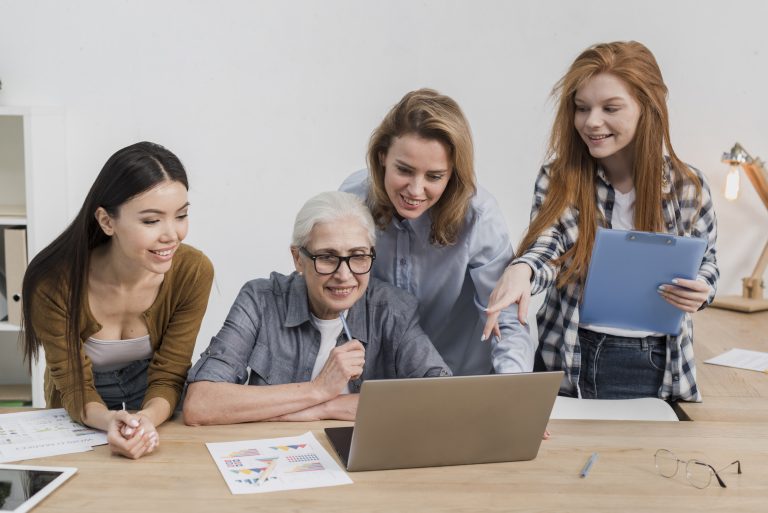
Many people think of learning as something that happens among peers. Students learn with students. Professionals attend training with colleagues of similar age and experience.
But some of the most powerful learning happens when generations mix.
Younger people often bring fresh ideas, technological fluency, and a willingness to challenge established assumptions. Older adults bring perspective, experience, and a deeper understanding of how decisions play out over time. When these perspectives come together, learning accelerates for everyone involved.
Researchers studying intergenerational collaboration have found that teams composed of multiple age groups often produce stronger problem-solving outcomes because they combine creativity with experience. A study published in the Journal of Organizational Behavior highlights how diverse age groups bring complementary thinking styles that enhance innovation. You can explore the research here.
In many ways, intergenerational learning reflects how knowledge has historically been shared. For centuries, skills and wisdom passed from one generation to the next through apprenticeship, storytelling, and mentorship. What is changing today is that learning is now flowing in both directions.
A younger professional might teach digital tools or new technologies to a more experienced colleague. At the same time, that colleague might share lessons about leadership, negotiation, or decision-making developed through decades of real-world experience.
Both sides benefit.
As anthropologist Margaret Mead once observed, “We are faced with the fact that the future is now. There is no longer any time when the young can learn from the old without also teaching them.”
This mutual exchange of knowledge is becoming increasingly important as workplaces and communities become more interconnected.
Technology is also making intergenerational learning easier than ever. Platforms like LinkedIn allow professionals to connect with mentors and peers across industries and age groups. Online learning communities such as MasterClass bring together instructors and learners of every generation, allowing ideas to circulate freely.
Outside of formal settings, families themselves can become powerful learning environments. Grandparents sharing stories about history and personal resilience. Parents passing along professional expertise. Younger family members introducing new cultural trends or digital tools.
Each generation contributes something valuable.
One of the most interesting effects of intergenerational learning is how it challenges assumptions. Younger learners often gain confidence and perspective from hearing how experienced individuals navigated challenges. Older learners often rediscover curiosity and energy when exposed to new ideas and technologies.
The result is a learning environment where everyone continues growing.
For individuals interested in cultivating more intergenerational learning in their lives, the first step is often simple: start conversations across age groups. Ask questions. Share experiences. Remain open to ideas from people whose perspectives differ from your own.
Mentorship programs, professional networking groups, and community organizations also provide opportunities to exchange knowledge across generations. Programs like those organized through Score connect experienced professionals with entrepreneurs seeking guidance, creating a powerful cycle of shared learning.
The most vibrant communities are rarely defined by age alone. They are defined by curiosity and openness.
Learning across generations reminds us that wisdom and innovation are not competing forces. They are complementary ones.
What is one lesson you learned from someone in a different generation that changed your perspective?
Join the conversation in the forum: