
A Loved One Was Diagnosed With Dementia. Now What?
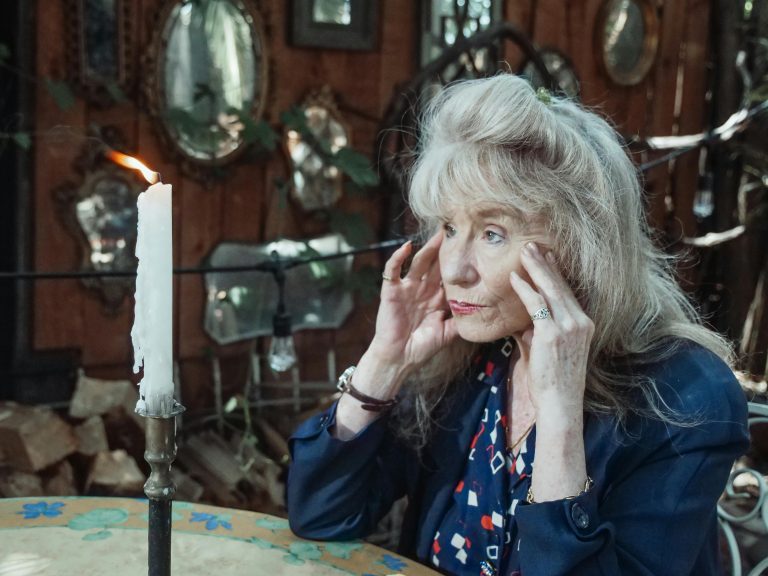
Few moments in life hit as hard as hearing that someone you love has been diagnosed with dementia. It’s more than medical news; it’s an emotional earthquake that forces you to rethink what the next chapter looks like for them—and for you. But even in the midst of uncertainty, there’s an opportunity to approach this journey with compassion, foresight, and connection. This is exactly where the Age Brilliantly mindset matters most: seeing challenges not just for what they take away, but for how they invite us to build meaning and nurture deeper relationships.
The first thing to remember is that this is not the end of your loved one’s story. Dementia changes how you communicate and connect, but it doesn’t erase the person you love. Instead of rushing into panic or despair, pause. Learn everything you can about the diagnosis—what stage they’re in, what treatment and support options are available, and what the realistic expectations for progression might be. Knowledge brings clarity, and clarity allows you to plan, rather than react.
Planning isn’t just about logistics; it’s about values. Talk openly with your loved one while they can still express their preferences. What kind of care feels right to them? What experiences still matter most? How do they want their days to feel? By asking these questions early, you can create a care plan that preserves their dignity and honors who they are beyond the diagnosis.
It’s also important to focus on connection, even as memory changes. Research shows that emotional memory often lingers long after factual memory fades. A favorite song, the smell of a favorite meal, a routine walk in a beloved park—all of these can spark joy and recognition. Moments like these remind you that while dementia alters memory, it doesn’t erase love.
For caregivers, this journey can be isolating. Many people underestimate the emotional and physical toll until they’re already deep in it. Seeking support is not optional—it’s essential. Whether it’s a local caregiver support group, organizations like the Alzheimer’s Association, or online communities such as the Age Brilliantly Forum, connection with others going through the same thing can provide strategies, perspective, and much‑needed encouragement.
And finally, don’t forget your own life. The Age Brilliantly approach emphasizes the 8 Life Essentials—health, relationships, finances, purpose, passion, learning, time mastery, and community—not just for the person diagnosed, but for you as well. The more you take care of your own well-being, the better you’ll be able to show up for them, today and in the years ahead.
Dementia changes the future, but it doesn’t erase the possibility of joy, meaning, or connection. The question is: how will you design this next chapter so that love, not fear, leads the way?
What practices have helped you stay connected to a loved one with dementia? Which resources or support groups have made a difference for you? Share your insights in the Age Brilliantly Forum so others can learn from your experience and find strength in community.