
Are More People Aging Alone?
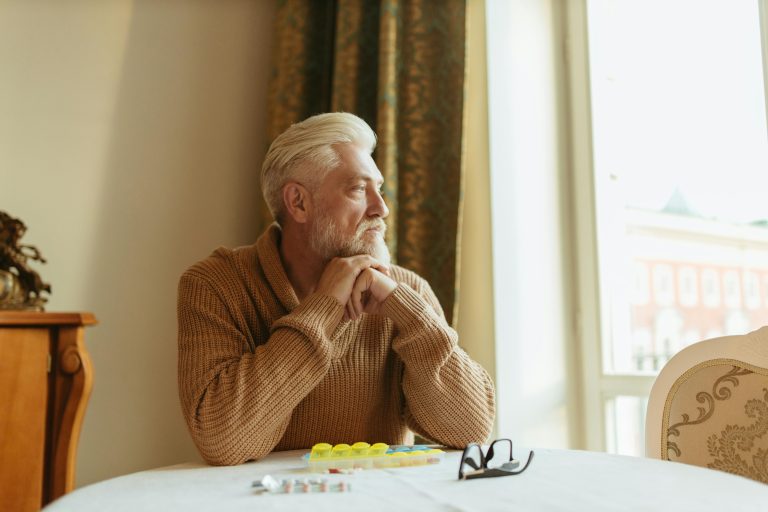
Few fears feel as personal as the thought of reaching the end of life without anyone beside you.
It’s a worry that many people quietly carry. As families become smaller, people live longer, and communities grow more geographically spread out, more individuals are aging without the traditional safety net of nearby relatives.
A recent Washington Post article examines this growing concern and how more people fear facing the end of life without close family or friends present.
The trend reflects several social shifts happening at once. People are living longer. Divorce rates have increased. Many adults do not have children or live far from relatives.
The result is a new reality. Millions of older adults are navigating aging with smaller support networks.
But while the fear is real, it does not tell the whole story.
Loneliness Is More Common Than Many Realize
Loneliness has become a growing public health concern across many age groups.
Research shows that roughly one in three adults in the United States report feeling lonely, and about one quarter report lacking strong social support. (cdc.gov)
Among older adults, the numbers are also significant. Studies suggest about 24 percent of Americans over age 65 experience social isolation, and many more report occasional loneliness. (ncbi.nlm.nih.gov)
Loneliness is not just an emotional experience. It can also affect health.
One large analysis found that loneliness increases the risk of dementia by roughly 31 percent, highlighting the powerful connection between social relationships and brain health. (The Washington Post)
The message from researchers is clear.
Human connection is not just a luxury. It is a key ingredient for healthy aging.
“The best thing to hold onto in life is each other.”
Audrey Hepburn
Relationships help give life meaning, structure, and emotional support.
They also protect mental and physical health.
Connection Can Be Built at Any Stage of Life
One of the most encouraging findings from longevity research is that meaningful relationships can develop at any age.
Friendships formed later in life often become some of the most meaningful. Shared experiences, curiosity, and mutual support can create deep bonds even between people who meet decades after childhood or early adulthood.
Researchers studying healthy aging frequently highlight social connection as one of the strongest predictors of wellbeing.
The long running Harvard Study of Adult Development found that strong relationships consistently predicted better health and longer life.
Connection does not require large social circles.
Often it begins with small consistent interactions.
A neighbor. A volunteer group. A hobby community. A regular walking partner.
Over time, these relationships create a network of support.
Action Steps to Build Stronger Social Connections
Join communities built around shared interests
Platforms like Meetup help people find groups focused on hiking, books, learning, volunteering, and social activities.
Volunteer your skills and experience
Contributing to others creates both purpose and connection. Websites like VolunteerMatch connect individuals with nonprofits seeking volunteers.
Stay connected through shared learning
Learning together strengthens both the brain and relationships. Platforms like Coursera offer courses people can explore with friends or community groups.
Strengthen existing relationships intentionally
Simple habits such as weekly phone calls or shared activities can deepen connections over time. Apps like Marco Polo make it easier to stay in touch through video messages.
Participate in local community events
Libraries, community centers, and universities often host lectures, clubs, and events that create opportunities to meet others.
A Different Way to Think About Aging
The fear of dying alone reflects something deeper than physical solitude.
It reflects the human desire to feel seen, valued, and connected.
But the encouraging message from longevity research is that connection is something we can actively build.
It grows through shared experiences, acts of kindness, and communities formed around purpose and curiosity.
Relationships often evolve throughout life. Some fade. Others emerge unexpectedly.
What matters most is continuing to invest in connection.
Because a meaningful life is rarely built alone.
What are some ways you stay connected to people and community as you grow older?
Join the conversation in the Age Brilliantly Forum