
You Are Not Alone Thriving with Chronic Illness
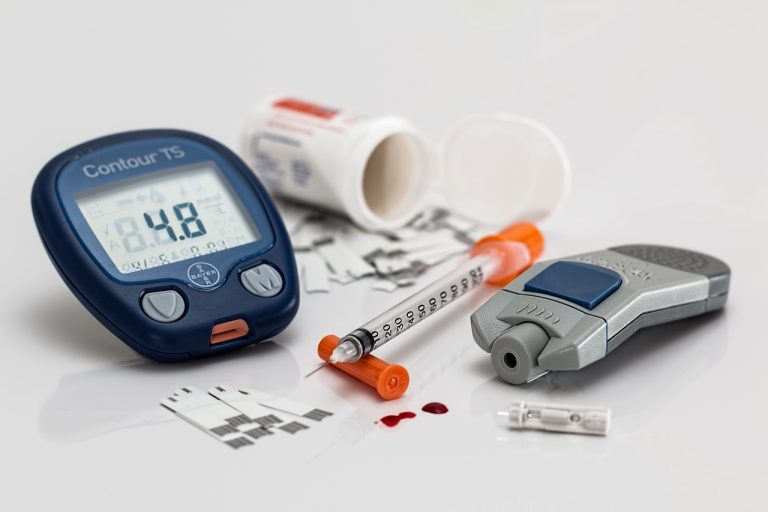
Living with a chronic illness can be overwhelming, both physically and emotionally. Whether you’re managing pain, fatigue, or mobility issues, finding ways to improve daily life is essential to maintaining independence and well-being. Fortunately, a combination of mindset shifts, technology, and support systems can help individuals manage symptoms and improve quality of life.
According to Next Avenue, developing a toolbox of coping strategies can make a significant difference in how people handle their conditions. From digital health apps to mindfulness techniques, the right resources can reduce stress, improve symptom management, and empower individuals to take charge of their health.
Here are 10 powerful tools to help you thrive while managing chronic illness.
1. Telemedicine for Convenient Healthcare Access
Getting to doctor’s appointments can be difficult when dealing with chronic conditions. Telemedicine services like Teladoc Health and MDLIVE provide virtual consultations, reducing the need for travel. A study published in JAMA Network Open (source) found that telehealth visits improve patient satisfaction and reduce emergency room visits for those with chronic illnesses.
2. Symptom-Tracking Apps for Better Disease Management
Keeping track of symptoms can help both patients and doctors identify patterns, triggers, and effective treatments. Apps like Flaredown and MyTherapy help users log symptoms, medication adherence, and daily habits, making it easier to communicate with healthcare providers.
3. Mindfulness and Meditation for Stress Reduction
Chronic illness can take a toll on mental health, leading to anxiety and depression. Studies from the American Psychological Association show that mindfulness and meditation can reduce stress-related inflammation and pain. Apps like Calm and Headspace offer guided meditation sessions specifically designed for chronic pain and stress management.
4. Adaptive Fitness Programs for Gentle Movement
Regular exercise can improve mobility, reduce pain, and boost mood. However, for people with chronic conditions, traditional workouts may be too intense. Programs like SilverSneakers and apps like Yoga for Arthritis provide low-impact exercise routines that promote flexibility, strength, and endurance without overexertion.
5. Nutrition Tracking for Anti-Inflammatory Diets
What you eat can significantly impact chronic illness symptoms. The Mediterranean diet, rich in whole foods, has been shown to reduce inflammation and improve chronic disease outcomes, according to a study in The American Journal of Clinical Nutrition (source). Apps like Cronometer and MyFitnessPal help track nutrient intake and ensure balanced meals.
6. Wearable Technology for Health Monitoring
Devices like the Apple Watch and Fitbit track heart rate, sleep quality, and activity levels, helping users stay on top of their health. A study published in Nature Medicine (source) found that wearable devices can detect early signs of disease flare-ups, allowing for proactive intervention.
7. Online Support Communities for Emotional Well-being
Living with a chronic illness can be isolating, but connecting with others who understand your journey can make a difference. Platforms like PatientsLikeMe and MyChronicPainTeam allow users to share experiences, advice, and encouragement in a supportive online environment.
8. Therapy and Mental Health Support
Managing chronic illness can lead to emotional exhaustion, depression, and anxiety. The National Institute of Mental Health emphasizes that therapy can help individuals develop coping strategies and improve resilience. Online therapy platforms like BetterHelp and Talkspace offer accessible mental health support from licensed professionals.
9. Smart Medication Management for Adherence
Missing medication doses can lead to symptom flare-ups and complications. Smart pill organizers like MedaCube and reminder apps like Medisafe send alerts to ensure medications are taken on time, improving adherence and treatment effectiveness.
10. Journaling for Self-Reflection and Symptom Tracking
Writing about symptoms, emotions, and experiences can help manage pain, reduce stress, and track patterns over time. A study published in JMIR Mental Health (source) found that expressive writing helps individuals with chronic illness process emotions and improve their overall well-being. Apps like Day One offer digital journaling options for easy tracking.
Action Steps: How to Start Using These Tools Today
- ● Try a symptom-tracking app like Flaredown to monitor patterns and triggers.
- ● Incorporate meditation into your routine with Calm to reduce stress and pain.
- ● Explore online support groups through PatientsLikeMe to connect with others facing similar challenges.
- ●Invest in a wearable health tracker like Fitbit to stay informed about activity levels and heart health.
- ●Use a meal-planning app like Cronometer to ensure your diet supports your health condition.
You Are Not Alone: Thriving with Chronic Illness
Living with a chronic illness is challenging, but you have the power to take control of your health and well-being. By incorporating technology, community support, and self-care strategies, you can improve your quality of life and navigate your condition with confidence.
Which tools have helped you manage your chronic illness? Do you have a go-to strategy that has made a difference in your life? Join the conversation and share your insights in our community: https://agebrilliantly.org/forum/.