
Why Shared Meals Still Matter
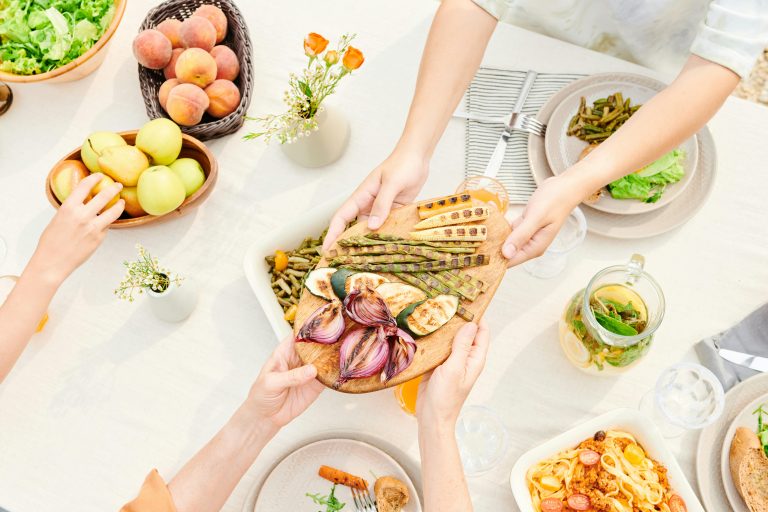
As daily life becomes more fragmented, shared meals have quietly faded from many households. Busy schedules, technology at the table, mismatched routines, and more people living alone have shifted eating from a communal activity to an individual one. Yet research continues to show that eating together plays a meaningful role in long-term health, emotional well-being, connection, and quality of life. For anyone designing a fulfilling 100-year life, shared meals are a simple practice that still delivers significant impact.
A study published in Public Health Nutrition found that people who regularly shared meals—whether with family, partners, or friends—consistently reported stronger relationships, healthier food choices, and higher overall life satisfaction compared to those who ate alone.
Harvard research on loneliness reinforces this point. Shared routines, including meals, are associated with better mental health, reduced isolation, and stronger resilience.
These findings align with what the Age Brilliantly mindset encourages: build consistent habits that support connection, health, and fulfillment across every decade of life.
Why Fewer People Are Eating Together
The shift away from shared meals isn’t intentional—it’s structural. Adults work longer hours or on different schedules. Parents shuttle children between activities. Technology creates distraction rather than presence. Remote work blurs routines. Solo living is more common. According to data from the National Library of Medicine, adults are eating more meals alone than they did even a decade ago.
Eating alone is not harmful in itself, but when it becomes a default rather than an occasional choice, people lose a natural point of connection that once anchored families and communities.
Why Bringing Back Shared Meals Matters
Shared meals add value in several ways. They strengthen communication, reduce stress, and create predictable windows of connection. They support healthier eating patterns because people make more balanced choices when eating with others. And they reinforce emotional well-being, particularly during life transitions—empty nest, divorce, retirement, relocation, or career changes—when people often benefit from additional structure and support.
A study in Appetite found that individuals who shared even one meal a week reported lower levels of loneliness and higher emotional stability.
These outcomes are meaningful in a long life where maintaining strong connections plays an important role in happiness and resilience. As one researcher noted, “Trust is built in very small moments.” Shared meals provide exactly those moments—regular, unpressured touchpoints that strengthen relationships over time.
How to Reintroduce Shared Meals Into Your Life
Rebuilding the habit doesn’t require a dramatic lifestyle change. Small steps make the process sustainable.
Begin with one consistent shared meal each week. The goal is regularity, not perfection. Many people find that Sunday dinner or a midweek lunch is easier to maintain than nightly meals.
Use planning tools to make the process easier. Apps such as MealBoard and OurGroceries help coordinate simple menus and shopping lists.
Invite others into your routine. Shared meals don’t need to be formal. Inviting a friend or neighbor once a week can build a comfortable rhythm.
For people living alone, explore hosted meal groups or community dinners. Platforms like Meetup offer cooking groups, supper clubs, and social dining events that make connection accessible.
Consider virtual meals when distance is a barrier. Video calls during dinner with family or friends still create presence and routine.
If you have children, designate one or two screen-free meals. The benefit comes from the conversation, not the duration.
And if you enjoy cooking, rotate simple recipes that encourage participation. The goal is shared time, not culinary performance.
Bringing It All Together
Meal-sharing is a small, manageable practice with long-term benefits. In a world where routines push people toward isolation, shared meals reinforce connection, support healthier living, and help maintain emotional balance. Whether in periods of stability or during major life transitions, the consistency of sitting down with others can help people feel grounded, seen, and supported.
Designing a fulfilling 100-year life requires habits that strengthen relationships and create continuity. Shared meals do both. Reintroducing this simple practice can make daily life more meaningful and create moments that accumulate into long-term well-being.
Have you noticed changes in how often you share meals with others? What differences do you experience when you make it a priority? Could rebuilding this routine strengthen a relationship or deepen a connection? Share your perspective in the Age Brilliantly forum to help others bring this valuable habit back into their lives.