
Why Preventative Health Checkups Matter
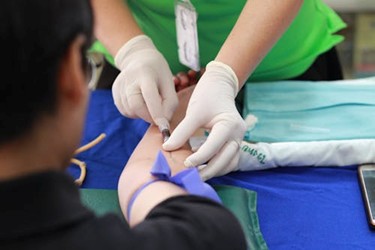
Health is the foundation of a fulfilling life, yet many people only consider their health when something goes wrong. Preventative health checkups are the key to not only avoiding illness but ensuring a long and healthy life. These checkups provide the opportunity to catch potential problems early, when they’re easier to treat, allowing you to maintain good health throughout the years.
Preventative care involves taking proactive steps to identify risks, manage health conditions, and improve overall wellness. Whether you’re in your 20s or 60s, regular checkups and screenings are crucial for staying on top of your health, avoiding preventable diseases, and making necessary lifestyle changes before problems arise.
Why Preventative Health Checkups Matter
Preventative health checkups are about more than just detecting diseases early. They also provide the opportunity for valuable health advice, better management of existing conditions, and the chance to discuss changes in lifestyle that could improve your quality of life. According to the Centers for Disease Control and Prevention (CDC), preventative health care services like screenings, counseling, and vaccinations save lives, reduce health care costs, and contribute to overall better health outcomes. A study published in the American Journal of Preventative Medicine found that regular health checkups could lower the risk of dying prematurely, improving longevity by addressing potential health risks early.
Moreover, preventative health checkups focus on more than just the absence of illness—they take a holistic approach to overall wellness, including mental health, nutrition, exercise, and emotional well-being. The benefits of these checkups are both physical and mental, as they help reduce stress and increase confidence in maintaining a healthy lifestyle.
What Should You Be Checking for?
Preventative health checkups can vary depending on your age, sex, family history, and risk factors. However, there are some standard screenings and health assessments that everyone should consider. Let’s take a look at some of the most essential health screenings and what they check for:
1. Blood Pressure and Heart Health
High blood pressure is often called the “silent killer” because it typically has no symptoms but can lead to heart disease, stroke, and kidney failure. Regular monitoring of your blood pressure is crucial. The American Heart Association recommends that adults have their blood pressure checked at least once every two years. If you have a family history of heart disease or other risk factors, more frequent checks may be necessary.
Action Steps:
- Track your blood pressure with a home blood pressure monitor. Consider apps like Qardio to easily track and monitor readings.
- Exercise regularly to help manage your blood pressure and cardiovascular health. Apps like MyFitnessPal can help you track your fitness goals.
2. Cholesterol and Blood Sugar Levels
Cholesterol and blood sugar tests are vital in identifying the risk for heart disease and diabetes. High cholesterol and high blood sugar often don’t show symptoms, but they can contribute to serious health conditions over time. The CDC recommends cholesterol testing every 4-6 years starting at age 20, or more frequently if you have risk factors for heart disease or diabetes.
Action Steps:
- Manage your diet by reducing processed foods and increasing your intake of fruits, vegetables, and lean proteins. Apps like MyFitnessPal can help track your nutrition.
- Get your cholesterol and blood sugar checked regularly. If you’re at risk, discuss lifestyle changes with your doctor.
3. Cancer Screenings
Regular cancer screenings can catch potential problems early when they are more treatable. Common screenings include mammograms for breast cancer, colonoscopies for colorectal cancer, and skin checks for skin cancer. The American Cancer Society recommends that people begin mammograms at age 40, colon cancer screenings at age 45, and annual skin checks starting in their 20s for those at risk.
Action Steps:
- Schedule regular screenings based on your age and risk factors. Check with resources like American Cancer Society for specific guidelines.
- Maintain skin health by protecting your skin from UV rays and monitoring for new or changing moles. Apps like DermCheck allow you to check your skin for signs of skin cancer.
4. Vision and Hearing Health
As we age, our eyesight and hearing can gradually deteriorate, but early intervention can prevent significant loss. The American Academy of Ophthalmology recommends a baseline eye exam at age 40, with more frequent exams depending on your risk factors. Similarly, routine hearing tests help detect early signs of hearing loss.
Action Steps:
- Get regular vision checkups at least every two years. Use apps like EyeQue to monitor your eyesight at home.
- Schedule hearing tests if you experience difficulty hearing. Apps like Sound Amplifier can help amplify sounds and improve hearing at home.
5. Mental Health
Mental health is just as important as physical health, and regular checkups should include an assessment of mental well-being. Depression, anxiety, and other mental health conditions can be more prevalent as we age. Discussing mental health with your healthcare provider and seeking early intervention can improve your quality of life.
Action Steps:
- Talk to your doctor about any signs of depression or anxiety. Seek guidance from resources like Mental Health America.
- Practice mindfulness and stress reduction with apps like Headspace or Calm to improve your mental well-being.
Take Control of Your Health
Preventative health checkups are a proactive way to stay ahead of potential health issues. Regularly seeing your doctor for these screenings can help identify problems early and ensure that you’re taking the right steps to stay healthy. Early detection and intervention can reduce the risks of chronic diseases and improve overall health outcomes.
Taking control of your health now can lead to a more fulfilling and vibrant life in the years to come. Make preventative health checkups a priority and start a regular routine of screenings, healthy habits, and self-care.
How often do you schedule your health checkups? Have you found any particular screening or checkup that has been especially beneficial?
Join the conversation at the Age Brilliantly Forum and share your tips for staying healthy and proactive!