
What Friends of Other Ages Can Teach Us
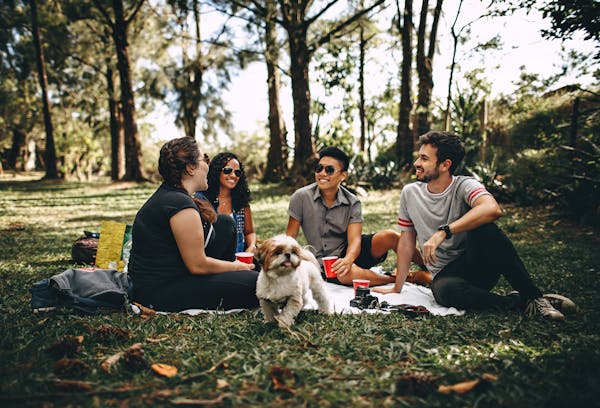
Friendships have the power to shape and enrich our lives in countless ways. But what if you stepped outside your usual circle and built relationships with people from different age groups or life stages? Research shows that intergenerational friendships are more than just enriching—they’re transformative, providing mental, emotional, and even physical health benefits to everyone involved.
According to Aging Clinical and Experimental Research, volunteering and forming relationships across generations can improve self-rated health, boost physical activity, and lower depression and mortality rates. These friendships build a sense of purpose, perspective, and community that is particularly valuable as people navigate different stages of life.
Kasley Killam, a social health expert from Harvard, highlights that intergenerational friendships benefit all life stages. “Younger people can learn from elders’ experiences and perspectives, while older adults gain a sense of purpose and fulfillment by staying socially engaged,” she explains.
Intergenerational connections have become even more crucial in recent years. A Harvard Graduate School of Education study revealed that 61% of young adults aged 18 to 25 experienced serious loneliness during the pandemic. Similarly, older adults, especially those over 80, face increasing isolation as their social networks diminish. Bridging these gaps can benefit both generations in profound ways.
Ways to Foster Intergenerational Friendships
Building relationships across generations doesn’t have to be complicated. Here’s how to get started, with actionable advice and tools to help you along the way.
Join Intergenerational Programs
Structured programs offer opportunities to engage with people from different age groups in meaningful ways. The Intergenerational Learning Center in Seattle pairs older adults with children for storytelling, games, and creative projects. This setting fosters mutual respect and understanding while combating loneliness for both age groups.
For a virtual option, Big & Mini connects people across generations through video calls, where participants share experiences, stories, and advice. Programs like Papa go one step further by pairing seniors with “Papa Pals,” younger companions who assist with errands, teach technology, or simply provide companionship.
Volunteer Across Generations
Volunteering is a fantastic way to foster intergenerational connections. According to a study in the Journal of the American Geriatrics Society, intergenerational volunteering improves mental health, enhances quality of life, and reduces loneliness for seniors. Younger participants gain mentorship, insights, and purpose by helping their elders.
Websites like VolunteerMatch and AARP’s Create the Good offer opportunities to volunteer in settings that bring together people from various age groups. Look for programs that emphasize collaboration between generations, such as community garden projects or mentorship initiatives.
Engage in Community Activities
Community events and local groups provide a natural setting for intergenerational friendships to blossom. Activities like book clubs, art classes, or recreational sports often attract participants of all ages, offering a shared purpose and opportunity for connection.
Use tools like Meetup to find groups and events that align with your interests while welcoming diverse age groups. For faith-based community activities, websites like FaithStreet can guide you to intergenerational church or spiritual groups.
Use Technology to Connect
Technology has made it easier than ever to form and maintain intergenerational friendships. Apps like Goodnight Zoom enable younger individuals to engage in virtual storytelling sessions with isolated seniors, offering companionship and building bonds. Platforms like Meals Together allow participants to host virtual dinner parties, where people from different generations can share stories and meals over video calls.
Additionally, using tools like Zoom or Skype for family reunions or community events can foster meaningful discussions between younger and older attendees.
Leverage Everyday Interactions
Sometimes the best intergenerational friendships develop from everyday activities. Consider striking up conversations with neighbors of different ages, connecting with coworkers from different life stages, or simply spending time with older or younger family members. Small efforts can lead to deep, meaningful connections over time.
The Impact of Intergenerational Friendships
Intergenerational friendships don’t just combat loneliness; they create a ripple effect of positivity. Older adults gain a sense of purpose, younger individuals receive mentorship, and communities grow stronger through these connections. Research repeatedly shows that fostering these relationships benefits everyone involved, improving physical and mental well-being and building stronger, more compassionate societies.
If you’ve ever had a meaningful relationship with someone from a different generation, you’ve likely experienced the unique joy and wisdom it can bring. These connections provide not just support but a shared sense of humanity.
What have friends from other generations taught you about life? How have these relationships enriched your perspective? Share your experiences and join the conversation in our Age Brilliantly Forum. Together, we can build a more connected and supportive world.