
Want to Live a Long Fulfilling Life Change How You Think About Getting Old
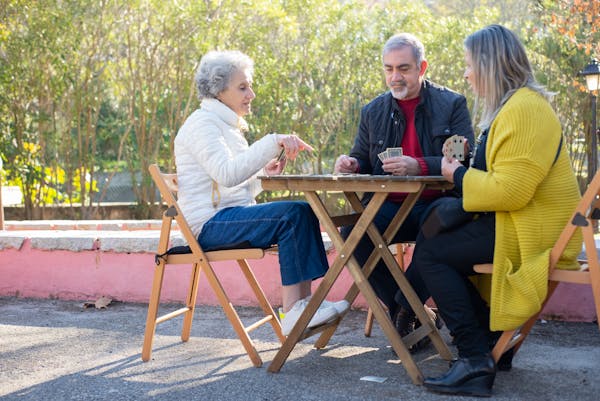
How we view aging can significantly impact our health, longevity, and overall happiness. According to a Wall Street Journal article, adopting a positive outlook on aging could add years to your life. Research shows that those with constructive beliefs about growing older experience less stress, better health, and even reduced risk of Alzheimer’s disease and cardiovascular issues. So how can we shift our mindset and embrace aging as an opportunity rather than a decline? Here’s what science, experts, and inspirational individuals like Perry Chapman—a vibrant 70-year-old defying ageist stereotypes—teach us about living a long and fulfilling life.
The Impact of Attitude on Aging
Studies by Yale epidemiologist Becca Levy have revealed that people with positive age beliefs live an average of 7.5 years longer than those with negative perceptions. In one analysis, Levy found that individuals who viewed aging negatively accumulated more brain plaques and tangles linked to Alzheimer’s disease and experienced worse cardiovascular health. On the flip side, those exposed to positive age-stereotype words such as “wise” or “accomplished” demonstrated increased strength and balance in as little as four weeks.
These findings suggest that how we think about aging influences our physical and mental health by shaping our behaviors and reducing stress. A positive outlook encourages investment in health-promoting activities, while negative assumptions often lead to inaction.
Steps to Embrace Positive Aging
1. Challenge Your Internalized Beliefs
Many of us unconsciously adopt ageist stereotypes. Start by examining your thoughts about aging. Write down the first five words that come to mind when you think of an older person. Are they mostly negative? If so, it’s time to reframe your perspective. Replace words like “frail” or “senile” with “accomplished” or “mentor.”
Action Steps:
- Practice self-awareness using tools like Positive Intelligence to identify and counteract negative thoughts.
- Keep a journal to record moments when ageist beliefs arise and replace them with constructive narratives.
2. Spend Time with Older Adults
Building relationships with older adults can break down stereotypes and inspire a more positive outlook on aging. Hearing their stories and witnessing their resilience offers invaluable lessons for navigating your own journey.
Action Steps:
- Volunteer with programs like Elder Helpers or org to connect with older generations.
- Join intergenerational community groups through platforms like Meetup.
3. Create a Role Model List
List older individuals you admire and the qualities you respect in them. Whether it’s their activism, creativity, or wisdom, these role models can inspire you to view aging as a stage of growth and opportunity.
Action Steps:
- Learn from inspiring figures like Jane Goodall, who continues to advocate for wildlife at 90. Follow her work through the Jane Goodall Institute.
- Seek out stories of ordinary people making extraordinary contributions in later life through resources like Growing Bolder.
4. Redefine Your Future Self
Visualizing a vibrant, active future self can help you make healthier choices today. Research shows that people who believe they can remain healthy as they age are more likely to exercise, eat well, and engage in meaningful activities.
Action Steps:
- Use apps like FutureMe to write letters to your future self, setting positive intentions for the years ahead.
- Explore fitness programs tailored to older adults, such as SilverSneakers, to build habits that support longevity.
5. Foster Lifelong Learning and Purpose
Curiosity and purpose are essential for positive aging. Like Perry Chapman, who pursued painting and teaching in her 70s, staying engaged in meaningful activities can enhance your sense of fulfillment.
Action Steps:
- Take an online course on a subject you’ve always been curious about through platforms like Coursera or Skillshare.
- Volunteer your skills or mentor others through VolunteerMatch or Big Brothers Big Sisters.
The Power of Community and Shared Wisdom
Our age-segregated culture often isolates older adults, fostering misconceptions about aging. By building intergenerational friendships and communities, we can break down barriers and learn from each other’s experiences.
Action Steps:
- Participate in intergenerational programs like Generations United to foster mutual understanding and support.
- Use platforms like Papa to connect with older or younger companions for shared activities.
Embrace Aging as a Gift
Aging isn’t just about surviving; it’s about thriving. Perry Chapman’s approach—finding humor, pursuing passions, and building deep friendships—offers a blueprint for aging with grace. As Becca Levy’s research demonstrates, changing how we think about aging isn’t just possible; it’s essential for living longer and better lives. By challenging stereotypes, nurturing relationships, and investing in your future self, you can turn aging into a time of growth, joy, and fulfillment.
How are you redefining your perspective on aging? What lessons or practices have helped you embrace this stage of life? Share your thoughts and join the conversation in our Age Brilliantly Forum. Together, we can inspire each other to live long, purposeful lives.