
The Evolution of Relationships: Marriage, Divorce, and Childbearing Patterns
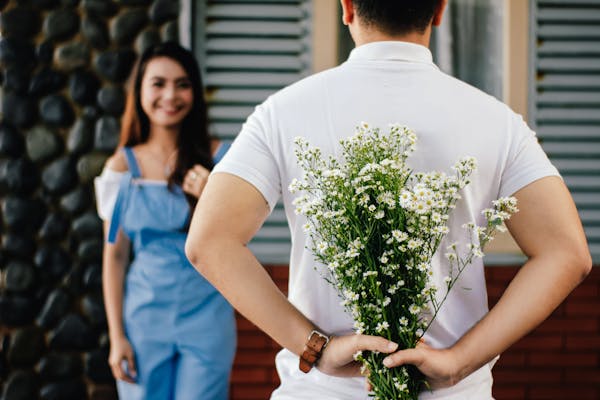
Relationships have always been a cornerstone of our lives, but the patterns of marriage, divorce, and childbearing are undergoing significant changes. These shifts reflect evolving societal values, personal priorities, and economic factors, especially as we live longer and redefine what it means to age gracefully.
As life expectancy increases and social norms evolve, more people are reassessing their relationships, often later in life. Boomer women, for example, are divorcing and remarrying at higher rates than previous generations. This trend reveals a desire for self-fulfillment and personal growth, challenging traditional views of lifelong partnerships.
Moreover, younger generations are delaying marriage and childbearing, or opting out of both entirely, in favor of career development, financial stability, or personal freedom. These changes indicate a significant shift in how people approach relationships and family life, and they will continue to evolve as new priorities emerge.
The idea of a lifelong marriage has shifted dramatically over the years. While previous generations adhered more closely to the “till death do us part” ideal, today’s couples are more likely to reevaluate their relationships throughout their lives. Many older adults, particularly women, are choosing divorce later in life. This choice is often driven by a desire for independence, new experiences, or to escape unsatisfying marriages that they no longer feel bound to endure.
On the flip side, remarriage is also becoming more common among older adults, reflecting the belief that love and companionship can be found at any age. Similarly, childbearing, parenthood, and taking on the next step have become more methodical in the current scenario compared to traditional systems.
As these trends continue to evolve, relationships in the future will likely be more fluid, with people feeling less bound by traditional timelines or societal expectations. This shift reflects a growing desire for personal fulfillment, autonomy, and meaningful connections that fit the individual’s life stage and values.
To help you navigate the evolution of relationships, here are some proactive steps that you can take to understand the patterns better.
Reflect on Your Relationship Goals: Consider how your priorities have changed over time and whether your current relationships align with your future goals. It’s important to evaluate if the dynamics of your relationships are fulfilling and whether they support the lifestyle you envision.
Embrace New Opportunities: Whether you’re single, married, or divorced, remain open to new experiences and relationships that reflect your current stage in life. Every phase offers different opportunities for growth and connection. Let go of outdated expectations and allow yourself to explore new ways to find joy and companionship.
Explore Parenthood on Your Own Terms: If you’re considering having children, reflect on what timeline works best for you, or if other forms of caregiving or community support might be a better fit. Parenthood isn’t a one-size-fits-all journey, and modern options allow for flexibility in how and when you approach it. Consider your emotional and financial readiness, and make decisions that align with your personal goals and values.
Stay Adaptable: As life and personal values evolve, be willing to reassess your relationship goals and make adjustments that best serve your happiness. Stay open to evolving your relationships as your needs and circumstances change, ensuring that they continue to bring you fulfillment.
Looking to explore how others are navigating changes in their relationships today? Join the Age Brilliantly forum to share your thoughts and keep the conversation going. Register now and join our movement of purposeful living.