
The Campus Retirement Model
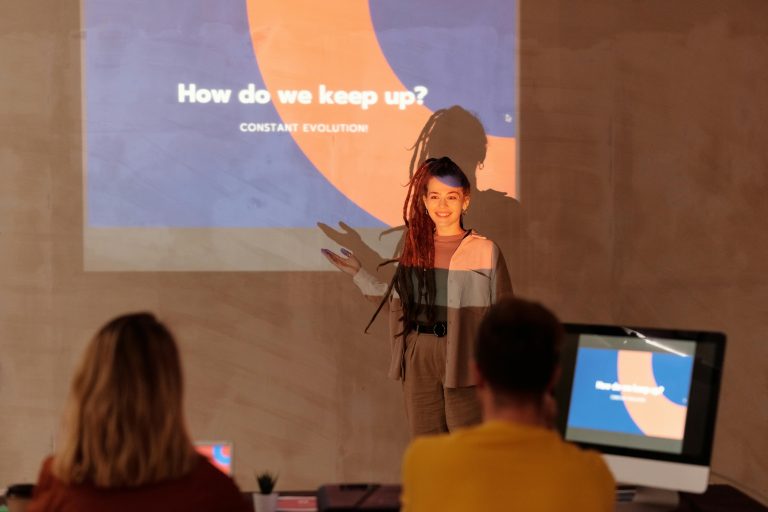
Imagine living where you can stroll to a university lecture on a weekday morning, meet student musicians in the quad, and audit a class on art history—all while enjoying senior-friendly housing. That vision is now a reality, thanks to a growing number of university retirement communities (URCs). Across the U.S., these partnerships are redefining retirement by blending lifelong learning with vibrant intergenerational living.
Why This Model Is Gaining Momentum
Boomers and Gen‑Xers are rejecting the idea of “retire and withdraw.” Instead, they want intellectual stimulation, meaning, and connection throughout their later decades. Universities, facing enrollment shifts and seeking new ways to engage alumni, are responding. According to Marketplace, these models allow seniors to participate fully in campus life—attending classes, cultural events, and even sporting activities—while living near or on campus.
Real-World Examples
- Texas A&M University is creating a 14-acre retirement community called Aging with Aggies, where residents 55+ can audit classes and engage in student life.
- Lasell Village at Lasell University requires residents to complete 450 hours of learning and activity each year, embedding education into daily living.
- Mirabella at Arizona State University offers retirees access to courses, lectures, and arts events alongside students, part of ASU’s vision to create lifelong learning ecosystems (Mirabella at ASU).
Universities Becoming Age-Friendly
Many institutions are joining the Age-Friendly University (AFU) global network, which sets ten guiding principles for making campuses welcoming to older learners. Colorado State University and others now offer tuition waivers, flexible schedules, and programs to foster intergenerational exchange.
Broader Lifelong Learning Networks
Beyond formal retirement communities, initiatives like the Osher Lifelong Learning Institute (OLLI) bring noncredit courses—no tests, no grades—to over 120 universities nationwide. Similarly, the global University of the Third Age (U3A) movement empowers older adults to teach and learn from each other, offering peer-led classes on everything from languages to photography.
Benefits for Everyone
These partnerships enrich both sides. Seniors gain access to libraries, lectures, and a social community that supports health and purpose. Students gain mentors, real-world perspectives, and often free housing opportunities in exchange for volunteering. As Kiplinger notes, these communities also provide universities with revenue streams and new models for alumni engagement.
Designing the Future
The model is expanding beyond universities. Museums, libraries, and even workplaces could replicate this model, offering lifelong education in partnership with housing communities. Courses on financial planning, caregiving, digital fluency, and legacy building could help retirees navigate new life stages while enriching the larger community.
Would you consider living near a university and learning alongside students? What subjects would draw you back to class? How should communities and schools design these programs to benefit every generation? Join the discussion in the Age Brilliantly Forum and share your vision for lifelong learning.
This article is part of the Lifelong Learning Series, exploring how education evolves across a 100-year life. Revisit the previous article: How Technology Is Reinventing Lifelong Learning.