
Stay Resourceful When You Have Less
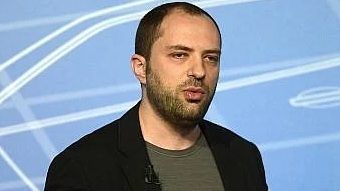
Jan Koum didn’t start with access, connections, or resources. He arrived in the United States with very little, relying on support programs while teaching himself programming. It would’ve been easy to focus on what was missing. Most people do.
But when you don’t have much, you’re forced to think differently. You either wait for better conditions, or you learn how to move forward without them.
He chose to move.
What he did right:
He built a mindset around resourcefulness instead of limitation. Instead of waiting for things to improve, he used what was already available and focused on building capability over time. He trained himself to solve problems with constraints, which forced him to think creatively and act consistently. That approach allowed him to progress while others stayed stuck waiting.
The benefit over time:
When you learn to be resourceful early, you build skills that don’t disappear when conditions change. Over time, that becomes a lasting advantage—because you’re able to adapt, create, and move forward in almost any situation.
Action steps:
- Shift your focus from what you lack to what you already have.
Take inventory of your current skills, knowledge, connections, and opportunities. Even small advantages can be used when you apply them intentionally. - Choose one skill that can change your trajectory.
Instead of trying to do everything, focus on building something that compounds over time. Stay with it long enough to see real progress. - Learn to operate within constraints.
Don’t wait for ideal conditions. Use limitations as a way to sharpen your thinking and force better solutions. - Build consistency without external validation.
Progress won’t always be visible early on. Stay committed even when there’s no recognition or immediate reward. - Use action to create momentum.
The more you do with what you have, the more opportunities begin to open up.
Lessons:
- Resourcefulness becomes a long-term advantage.
Learning to solve problems with less builds skills that continue to work in any situation. - Starting with less can build stronger foundations.
Constraints force focus, discipline, and creativity in ways abundance often doesn’t. - Waiting delays progress.
The longer you wait for better conditions, the longer you stay in the same place. - Using what you have creates momentum.
Action builds progress, and progress creates new opportunities. - Adaptability is built early and used forever.
The ability to adjust becomes one of your most valuable strengths over time. - A long life rewards those who learn to build from anywhere.
Conditions change, but capability stays with you.
Where are you waiting for better conditions instead of using what you already have
Start the conversation: