
Should You Work in Retirement?
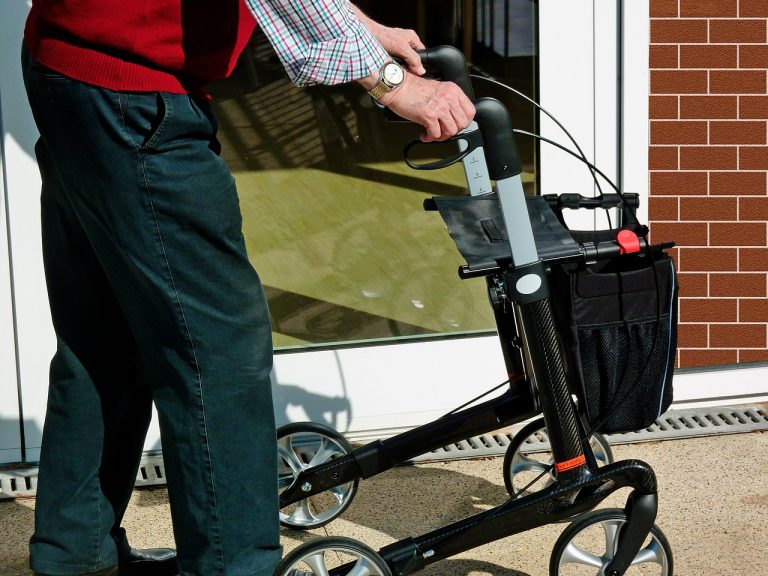
Retirement was once seen as the end of work—a time to relax and enjoy the fruits of decades of labor. However, today’s retirees are rethinking traditional retirement, choosing to work not out of necessity, but for purpose, passion, and financial security. Instead of viewing retirement as the end of a career, many people now see it as an opportunity to explore new professional paths, contribute meaningfully, and stay engaged.
According to Next Avenue, more retirees are choosing to work, either to supplement their income, stay active, or pursue new passions. A report by the U.S. Bureau of Labor Statistics (BLS) found that the number of people aged 65 and older in the workforce has nearly doubled since the 1990s, with projections showing continued growth.
So, should you work in retirement? And if so, what are the best ways to make it both financially and personally rewarding? Here’s how to redefine financial independence and make working in retirement work for you.
Why More Retirees Are Choosing to Work
While financial security remains a factor, many retirees continue working because they want to, not because they have to. A study from the Merrill Lynch Finances in Retirement Report found that 72% of pre-retirees say they want to keep working in some capacity during retirement.
Key reasons include:
- ● Maintaining a sense of purpose: Work provides structure and a reason to stay active.
- ● Financial stability: Many retirees work part-time to supplement savings and ensure financial independence.
- ● Pursuing passion projects: Retirement is the perfect time to explore new career paths, freelance, or start a business.
- ● Staying socially engaged: The workplace can provide valuable social interaction, reducing isolation and improving mental well-being.
Financial Benefits of Working in Retirement
Working during retirement offers financial advantages beyond just earning extra income. Even part-time work can help delay Social Security benefits, increase retirement savings, and provide additional funds for travel, hobbies, or healthcare costs.
Ways to optimize financial benefits:
- ● Delay Social Security: The Social Security Administration states that delaying benefits past full retirement age can increase your monthly payments by up to 8% per year.
- ● Maximize savings contributions: Older workers can continue contributing to 401(k) and IRA accounts beyond 65, boosting long-term financial security.
- ● Consider flexible work options: Remote and gig work, available through FlexJobs and We Work Remotely, can provide income without rigid schedules.
Best Ways to Work in Retirement
1.Start a Part-Time Job or Flexible Career
Many retirees enjoy part-time roles that offer financial benefits without the stress of full-time work.
Popular part-time retirement jobs:
- ● Consulting through Catalant
- ● Teaching or tutoring with VIPKid
- ● Seasonal or remote work through FlexJobs
2. Turn a Passion Into a Business
If you have a hobby or skill, retirement is the perfect time to turn it into a small business. Many retirees have successfully launched businesses selling crafts, writing, or offering coaching services.
Helpful platforms:
- ● Sell crafts on Etsy
- ● Publish books through Amazon Kindle Direct Publishing
- ● Offer freelance services on Upwork
3. Explore Gig Economy and Remote Work
Technology has made it easier than ever for retirees to work on their own terms. The gig economy offers flexible ways to earn extra income while staying engaged.
Best gig economy options:
- ● Driving for Uber or Lyft
- ● Renting out property through Airbnb
- ● Performing small jobs via TaskRabbit
How to Balance Work and Enjoyment in Retirement
If you choose to work in retirement, it’s important to find the right balance between financial security and personal fulfillment. A study by the National Institute on Aging (NIA) suggests that retirees who work part-time report higher levels of life satisfaction and mental well-being.
Steps to balance work and retirement:
- ● Set clear work boundaries to avoid burnout.
- ● Find work that aligns with your values and interests.
- ● Schedule time for travel, family, and relaxation.
Action Steps: How to Start Working in Retirement
1.Assess your financial situation and determine whether working in retirement is a necessity or a choice.
2.Explore part-time or freelance opportunities through platforms like FlexJobs or Upwork.
3.Consider starting a small business or monetizing a passion project.
4.Research Social Security benefits to see how working may impact your retirement income.
5.Set work-life balance goals to ensure you enjoy both financial stability and personal freedom.
Redefining Financial Independence Through Work
Retirement doesn’t mean the end of productivity—it means redefining what work looks like on your own terms. Whether you choose to work for financial reasons, passion, or social engagement, there are countless ways to create a fulfilling and flexible career in retirement.
Are you considering working in retirement? What factors are influencing your decision? Join the conversation and share your experiences in our community: https://agebrilliantly.org/forum/.