
Rediscovering Hobbies After Retirement
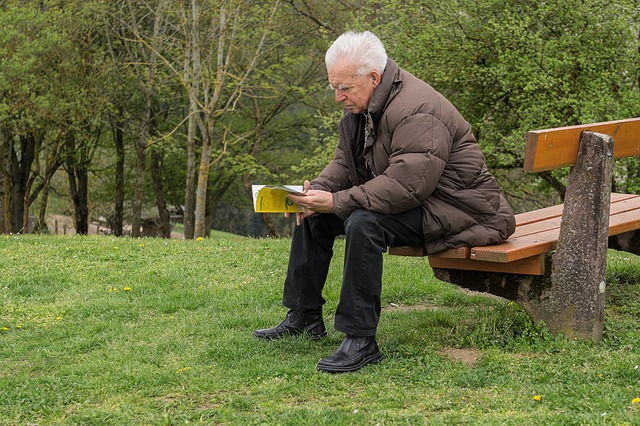
Retirement often signifies the end of one chapter of life and the beginning of another. For many, it’s a time of reflection, freedom, and—perhaps most importantly—a chance to rediscover hobbies and interests that may have been set aside during years of working and raising a family. Whether it’s painting, gardening, writing, or learning a new skill, hobbies can breathe new life into your daily routine, promote mental and physical well-being, and foster a sense of fulfillment.
Research has shown that engaging in hobbies after retirement is not only good for your mental health but also contributes to physical health. According to a study published in The Journals of Gerontology, staying active through hobbies can help maintain cognitive function, reduce stress, and even lower the risk of conditions like heart disease and dementia. Hobbies offer retirees a sense of purpose, keep them mentally stimulated, and enhance their overall quality of life.
While retirement provides a fresh slate, it can also bring the challenge of finding new ways to fill your time meaningfully. Many people wonder how to get started or rediscover what excites them. If you’re in that phase, you’re not alone—and it’s never too late to embark on a new adventure, explore hidden passions, and deepen your sense of joy.
The Benefits of Rediscovering Hobbies
Rediscovering or picking up new hobbies in retirement offers numerous benefits. It’s more than just a way to fill time—it can significantly boost your well-being. According to the American Journal of Preventive Medicine, engaging in leisure activities such as arts and crafts, gardening, or learning a new language can lead to better overall health and increase longevity. Hobbies are also shown to improve mental health by reducing feelings of stress and depression.
Research from Psychosomatic Medicine further supports this, showing that individuals who engage in hobbies or creative activities experience greater life satisfaction, reduced anxiety, and enhanced cognitive function. By engaging in hobbies you enjoy, you improve your mood, stay mentally sharp, and even develop a deeper sense of purpose.
How to Get Started: Action Steps for Rediscovering Hobbies
1. Reflect on Past Interests
Think back to what brought you joy earlier in life. Did you love to paint, play a musical instrument, or solve puzzles? Often, people stop engaging with hobbies due to the pressures of work and family obligations. Retirement provides the perfect opportunity to revisit those past interests and see how they fit into your new lifestyle.
Action Steps:
- Journal your interests: Write down any hobbies or activities that made you happy in the past and explore how they can fit into your current life.
- Look for local classes: Many community centers or online platforms offer classes or workshops for rediscovering past hobbies. Use websites like Eventbrite to find local or virtual opportunities.
2. Learn Something New
Retirement doesn’t have to be about returning to old interests; it’s also a time to explore things you’ve never had time for. Whether it’s learning a new language, taking up a sport, or trying your hand at coding, there are endless possibilities to learn and grow. The University of California reports that engaging in new learning experiences can help strengthen neural connections, keeping the brain agile.
Action Steps:
- Enroll in online courses: Websites like Coursera, Udemy, or MasterClass offer a wide variety of courses from art to technology and everything in between.
- Join a local group: Explore local organizations, hobby groups, or sports leagues where you can meet like-minded people. Platforms like Meetup are excellent for finding activities and groups to join.
3. Make Time for Physical Activities
Physical hobbies like gardening, hiking, or yoga not only keep you fit but also provide relaxation and reduce stress. The National Institute on Aging suggests that regular physical activity, even in the form of hobbies, is vital for maintaining muscle strength, bone health, and flexibility as you age.
Action Steps:
- Explore outdoor activities: Try taking walks in the park, hiking, or gardening. Apps like AllTrails help you find local trails for walking or hiking.
- Join a fitness class: Look for age-friendly fitness programs such as tai chi or yoga. Platforms like Yoga with Adriene offer free classes for all levels, making it easy to start.
4. Focus on Creativity and Artistic Pursuits
Artistic activities like painting, photography, or writing not only provide a creative outlet but also foster mindfulness. These hobbies can be incredibly therapeutic and provide a sense of accomplishment. According to a study in Psychology and Aging, creative activities enhance mental clarity and improve cognitive abilities. In fact, creative outlets have been found to reduce stress and promote overall well-being.
Action Steps:
- Take an art class: Platforms like Skillshare or local community centers often offer art classes for beginners.
- Start a personal project: Start journaling or writing short stories. Use websites like NaNoWriMo to challenge yourself to write a novel or short stories.
5. Stay Socially Engaged
Many hobbies allow you to connect with others, whether it’s through shared interest groups, sports teams, or social gatherings. Engaging in social activities through hobbies can help combat loneliness and maintain an active, connected life. A study published in The Journal of Aging and Social Policy found that social engagement is directly linked to higher satisfaction levels and improved mental health outcomes.
Action Steps:
- Volunteer in your community: Use platforms like VolunteerMatch to find opportunities that align with your interests and allow you to meet others.
- Join a social club: From book clubs to cooking classes, there are endless opportunities to meet people. Use apps like Meetup to find local groups that align with your hobbies and interests.
Final Thoughts: Hobbies Can Transform Your Retirement
Rediscovering hobbies after retirement is more than just a way to pass the time—it’s a gateway to a healthier, more fulfilling life. Whether you’re picking up an old hobby or trying something new, the key is to stay curious, stay engaged, and allow yourself to grow.
The joy that comes from hobbies isn’t just about what you create or learn—it’s about finding a sense of purpose, improving your well-being, and connecting with others.
What hobbies have you rediscovered or taken up in retirement? How have they enhanced your life?
Join the conversation at the Age Brilliantly Forum and share your experiences with hobbies in retirement!