
Overcoming the Fear of Solo Travel
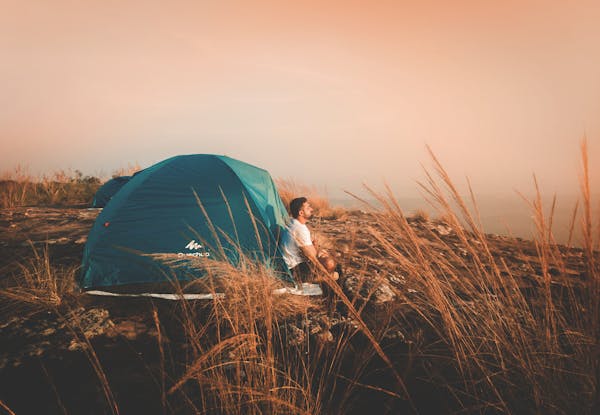
Solo travel can be a life-changing experience, especially as we age. It offers unparalleled freedom to explore, learn, and grow while also providing an opportunity for self-reflection and rejuvenation. For many, traveling alone later in life brings up fears or insecurities, whether it’s concerns about safety, health, or simply feeling alone. But despite these challenges, solo travel can be one of the most rewarding ways to embrace life fully and with purpose.
This article will explore the benefits of solo travel for older adults, ways to overcome common fears, and tips to make your travel experience enriching and unforgettable. With the right mindset and a bit of preparation, solo travel can empower you to live your best life.
Overcoming the Fear of Solo Travel
One of the biggest barriers to solo travel for older adults is fear—fear of being alone, fear of health issues, and fear of the unknown. A study published in the Journal of Aging & Social Policy found that many older adults express anxiety about traveling alone, especially in unfamiliar places. This fear can stem from concerns about physical limitations, safety, or even social isolation during the journey (Journal of Aging & Social Policy).
While these concerns are valid, they can often be mitigated with preparation. As the study suggests, increasing confidence before embarking on a solo journey is key. Researching destinations, knowing your health resources, and planning your itinerary are all essential steps to reduce anxiety and feel more secure.
Action Step:
- ● Start by choosing destinations that align with your interests and comfort level. Use websites like Lonely Planet or TripAdvisor for helpful reviews and safety tips from other solo travelers. Apps like Google Maps can help you navigate unfamiliar areas and plan your route with ease.
The Benefits of Traveling Solo as You Age
Traveling alone later in life offers a wealth of personal benefits. First and foremost, solo travel allows you to pursue your own interests without the need to compromise. You can explore the destinations and activities that bring you the most joy—whether that’s visiting art museums, hiking in nature, or simply relaxing on a beach. According to research from University of California, Berkeley, solo travel often leads to increased psychological well-being and improved emotional health. Traveling alone provides an opportunity for self-reflection, which can reduce stress and increase feelings of happiness (University of California, Berkeley).
Solo travel also enhances confidence and independence. When you’re navigating a new city or country on your own, you learn to rely on yourself, which can strengthen your self-esteem and resilience. The ability to make decisions independently and adapt to new situations can foster personal growth and empowerment.
Action Step:
- ● Consider starting with short, local trips before venturing farther. Use apps like Airbnb to find comfortable accommodations and Skyscanner to book flights with ease. Shorter trips can help you build confidence for longer journeys.
Staying Safe and Healthy While Traveling Alone
A common concern for older adults is safety, especially when traveling alone. However, taking some precautions can make solo travel safer and more enjoyable. A study by the National Institutes of Health highlights that safety measures such as researching your destination, staying connected with loved ones, and carrying health insurance are crucial when traveling at any age (National Institutes of Health).
For health concerns, it’s wise to consult with your doctor before embarking on any trip, especially if you have existing conditions. Ensuring that you have the right medications, vaccinations, and medical supplies is key. You can also use health tracking apps like MyFitnessPal to stay on top of your fitness and nutrition, even while traveling.
Action Step:
- ● Pack a medical kit with essential supplies and make sure you have access to health care in the area you’re visiting. Apps like Travel Health Pro provide health advice for international travel and can help you prepare for medical emergencies abroad.
Staying Connected: Combatting Loneliness While Traveling Alone
Although solo travel offers freedom, it can also lead to feelings of loneliness. However, technology has made staying connected easier than ever. Apps like Skype or WhatsApp allow you to stay in touch with family and friends, providing emotional support and maintaining those connections. In addition, solo travelers often find it easier to strike up conversations and meet new people, which can combat feelings of isolation.
A study from Psychology Today shows that staying socially connected, even while traveling, can improve emotional well-being and reduce feelings of loneliness and anxiety (Psychology Today). Traveling solo can be an opportunity to expand your social circle and meet fellow travelers, locals, and others who share your interests.
Action Step:
- ● Use social media platforms like Facebook or travel-specific apps like Couchsurfing to connect with other travelers and locals. Attending local meetups or joining group tours can also help combat loneliness.
Embrace Solo Travel for Personal Growth
Solo travel in later life isn’t just about seeing new places; it’s about embracing a journey of self-discovery, adventure, and personal growth. With proper planning, preparation, and a positive mindset, traveling alone can be an incredibly fulfilling and transformative experience.
How do you feel about traveling solo later in life? What steps are you taking to start your journey?
Join the conversation at the Age Brilliantly Forum and share your thoughts, experiences, and tips for solo travel. Let’s empower each other to explore the world and grow together.