
Older Adults Don’t “Feel Their Age”
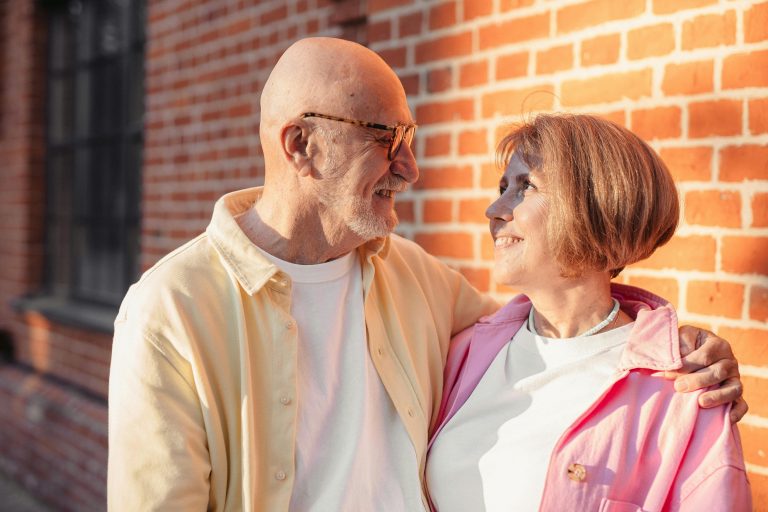
Think back to the images you formed as a child of what “old age” looked like. Many of us grew up believing that people in their 60s and 70s moved slowly, retired early, and settled into a life defined by limitations. That vision came from an earlier generation—grandparents who grew up in a different world, with different health standards, different expectations, and far shorter life spans. Yet today’s older adults tell a very different story.
Most people in their 60s, 70s, and even 80s report feeling dramatically younger than their chronological age. Research highlighted in SuperAging News reflects a widespread truth: physical age and perceived age are no longer aligned. A vibrant 65-year-old today bears little resemblance to the 65-year-olds many of us imagined growing up.
Why This Gap Between Age and Identity Exists
The world has changed. Advances in healthcare, fitness, nutrition, technology, and lifestyle choices mean today’s older adults are stronger, more active, and more engaged than previous generations. A 65-year-old who exercises, eats well, prioritizes mental health, and plans to live to 90 or 100 simply does not age the way people did 50 years ago.
Studies continue to confirm this shift. Research from the Stanford Center on Longevity shows that individuals who maintain physical activity and strong social connections retain cognitive and physical abilities far longer than earlier cohorts. Another long-term study published in The Journals of Gerontology found that adults who stay engaged through work, learning, and relationships report feeling significantly younger than their actual age.
In other words, today’s older adults are creating a new baseline for what aging looks like—one built on vitality rather than decline.
Why Our Childhood Images Don’t Match Today’s Reality
The challenge is that our expectations were shaped by a completely different era. When today’s older adults were young, life expectancy was lower, chronic illness was more common, and lifestyle habits didn’t support longevity. The grandparents of the 1950s and 1960s lived in a world without modern medical screenings, sleep science, personalized nutrition, fitness culture, or mental health awareness.
Comparing a modern 65-year-old to someone who lived half a century ago is like comparing two different generations of technology. The body ages differently when it’s supported by better information, better habits, and better intentions.
Fifty years from now, our own grandchildren will likely experience the same disconnect. The vibrant, active older adults of today may appear “old-fashioned” to a generation who benefits from breakthroughs we haven’t even discovered yet. Aging is always relative—shaped by science, opportunity, and mindset.
What Helps People Feel Younger Than Their Age?
Three factors consistently appear in research:
Movement.
Regular physical activity—even light daily walking—keeps the body younger. Apps like FitOn and SilverSneakers help people stay active at any age.
Mental engagement.
Continuous learning, hobbies, and social interaction strengthen cognitive function. Tools like MasterClass and Coursera make it easier than ever.
Social connection.
A study from Harvard found that strong relationships are one of the most powerful predictors of long-term health and happiness.
These aren’t new ideas—just newly understood. And they reinforce a message you often share: “Trust is built in very small moments.” The same is true for healthy aging. Daily choices compound into decades of vitality.
Action Steps That Help You Feel Younger, Longer
You don’t need dramatic changes to shift the way you age. Small, consistent steps make the biggest difference.
Try adding:
— a 10-minute morning stretch routine
— one weekly social activity
— a new skill or interest every quarter
— better sleep tracking with apps like SleepScore
— nutrition guidance using MyFitnessPal
And perhaps most importantly: update your assumptions about what life after 60, 70, or 80 should look like. You are not living your grandparents’ lifespan. You’re living your own.
A New Vision of Aging
Feeling 20 years younger isn’t denial—it’s alignment. It’s recognizing that modern aging is defined by energy, engagement, and choice. People today are rewriting the story of what life after midlife can look like, and they’re proving that vitality isn’t tied to a calendar year—it’s tied to mindset and action.
How old do you feel compared to your actual age? What habits help you stay vibrant—and what assumptions are you ready to let go of? Share your experience in the Age Brilliantly forum and help others redefine what aging can look like today.