
Live Longer Boosting Your Sense of Meaning in Life
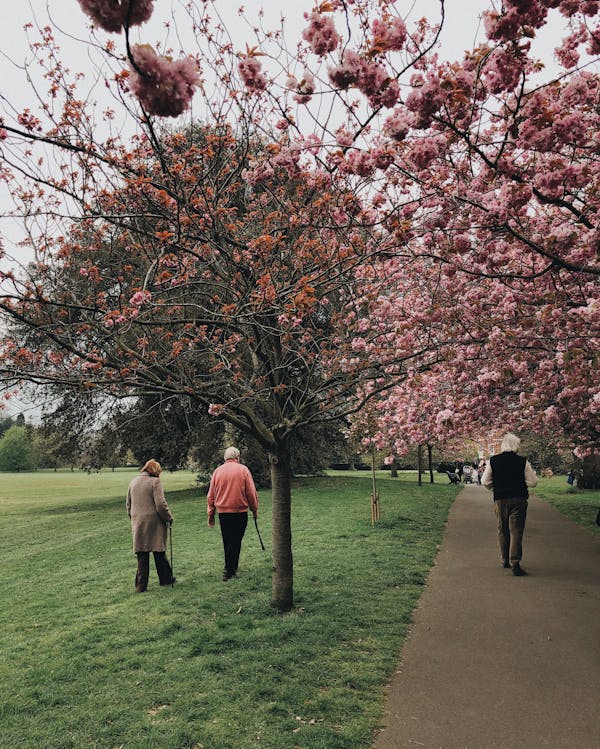
Many Americans dream of living to 100, inspired by the promise of a fulfilling and meaningful life. According to a Stanford Center on Longevity survey, 77% of respondents expressed a desire to reach this milestone. While diet, exercise, and wellness routines dominate discussions on longevity, science highlights a surprisingly powerful ingredient: a sense of purpose.
Research shows that living with purpose reduces stress, improves gene expression, and can even lower mortality risk. According to a Washington Post article, people who find meaning in their lives experience physical and emotional benefits that rival those achieved through healthy diets and exercise routines.
The Science of Purpose and Longevity
Purpose-driven living is more than a feel-good mantra; it’s a proven way to live longer and healthier. A meta-analysis of 10 studies involving over 136,000 participants found that a strong sense of purpose reduces mortality risk by 17%, which is comparable to following the Mediterranean diet.
Further research reveals fascinating biological effects of purpose:
- ● Lower Cortisol Levels: Stress hormones drop when you feel a sense of direction.
- ● Improved Brain Function: People with purpose continue to perform well cognitively, even when affected by Alzheimer’s-related brain changes (study here).
- ● Reduced Cardiovascular Risks: A Japanese study involving over 43,000 participants linked purpose (or ikigai) to a 60% lower risk of cardiovascular disease (research here).
What We Can Learn From Ikigai
In Japan, ikigai—the belief that life is worth living—plays a central role in the country’s exceptional longevity. Elderly Japanese people describe their ikigai as caring for grandchildren, volunteering, or beautifying their neighborhoods. This concept is so influential that Japan’s Ministry of Health includes ikigai in its official health promotion strategies.
While ikigai doesn’t have a direct English translation, Americans can adopt similar habits to foster meaning and purpose. Dr. Naoki Kondo, a sociologist at the University of Tokyo, emphasizes the importance of meaningful work, stating, “I want to work until a second before I die.”
Building Purpose in Western Cultures
Carol Ryff, a psychologist and director of the MIDUS study, explains that purpose transcends cultural boundaries. Her research shows that people with a clear sense of direction enjoy:
- ● Fewer hospital stays
- ● Lower odds of diabetes
- ● More than a twofold reduction in heart disease-related deaths
The late Viktor Frankl, a Holocaust survivor and psychiatrist, argued that purpose gives people the will to live. His insights resonate with modern findings: purposeful individuals stay active, seek preventive care, and maintain emotional resilience.
How to Cultivate Purpose
For the 40% of Americans who haven’t yet found their purpose, there’s hope. Research and anecdotal evidence suggest these steps:
1. Volunteer Your Time
Volunteering offers double rewards: helping others while boosting your own sense of fulfillment. Studies show that volunteers experience lower levels of depression and higher overall satisfaction. Explore opportunities through VolunteerMatch or Idealist.
2. Practice Mindfulness
Mindfulness helps people focus on what matters most. Apps like Headspace or Calm can guide you through daily mindfulness exercises.
3. Join Like-Minded Communities
Surrounding yourself with people who share your values can inspire a deeper sense of meaning. Platforms like Meetup or local interest groups are great places to start.
4. Set Clear Goals
Defining and pursuing goals fosters purpose. Write down actionable objectives, or use goal-setting tools like Strides or Habitica.
5. Foster Intergenerational Connections
Purpose often thrives in relationships. Consider mentoring through programs like Big Brothers Big Sisters or connecting with younger generations to share life experiences.
Action Plan for Finding Your Purpose
- ● Reflect: Spend 15 minutes journaling about activities or causes that ignite
- ● Engage: Start small—volunteer an hour a week or attend a community event.
- ● Reassess Regularly: Purpose evolves; revisit your goals every six months.
- ● Learn and Grow: Take an online course through Coursera or edX to explore new interests.
Why It Matters
Having purpose isn’t just about living longer; it’s about living better. As Eric Kim, a psychologist at the University of British Columbia, observed, “People with purpose calm down more quickly and respond to stress more effectively.” It’s a key ingredient in building resilience and fostering emotional stability.
Purposeful living also activates parts of the brain that mitigate fear and anxiety. Functional MRI scans show that individuals with high levels of purpose react less strongly to distressing images, such as accidents or natural disasters.
What’s Your Purpose?
Purpose doesn’t always arrive as a lightning bolt of clarity. It’s something we discover and nurture over time. What drives you? Is it helping others, pursuing a passion, or building stronger relationships?
Join the conversation in the Age Brilliantly Forum. Share your journey toward finding purpose, and connect with others who are redefining what it means to live a fulfilling life. Together, let’s inspire each other to make every day count!