
Life Changes as We Grow
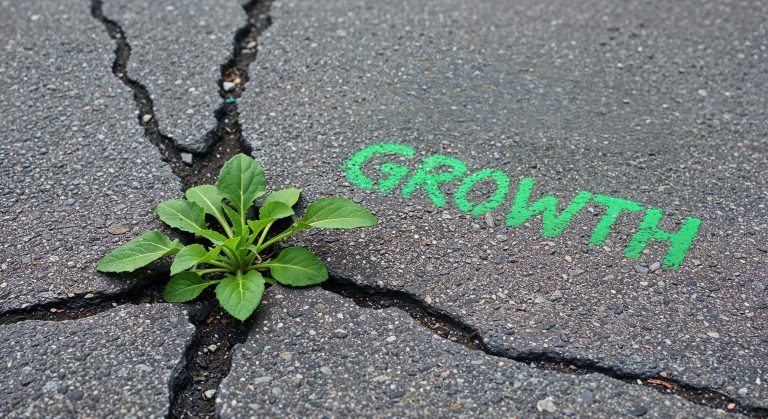
When we are young, most of us begin life in what could be called a fixed mode. We follow the structures that already exist around us. School systems tell us what to study. Employers define the career paths available. Charities, organizations, and institutions provide established ways to contribute. At this stage, the goal is largely to learn the rules of the game. We absorb knowledge, develop discipline, and build the foundations of how systems work.
As people gain experience, however, something begins to change. Many move into what could be called a flexible stage. Instead of simply following existing structures, they begin adapting them. They still operate within the general framework of careers, organizations, or institutions, but they start to add their own variations. Someone may pursue the same career as others but approach it with a new specialization. Another person may join a nonprofit but expand its mission or introduce new ways of achieving its goals. The individual is no longer simply following a script. They are beginning to shape it.
Eventually some people move into a third stage that might be called freestyle. In this phase, individuals feel confident enough to design their own path entirely. They may launch a company, create a new initiative, build a community project, or pursue a completely unconventional career. This stage is less about modifying existing systems and more about creating something original based on personal values, interests, and insights gained over time.
Developmental psychologists have long observed similar progressions in human growth. Robert Kegan, a developmental psychologist at Harvard University, describes adult development as a gradual movement from relying on external structures toward constructing our own frameworks for meaning and decision making. His research on adult stages of development is discussed through Harvard’s Graduate School of Education. What this means in practical terms is that many people evolve from following established systems to eventually designing their own.
Understanding this progression can be empowering because it removes the pressure to have everything figured out early in life. Many people worry that if they do not create something original in their twenties they have somehow missed their chance. In reality, most creative independence develops later, after years of learning, experimentation, and observation.
Living a long life makes this progression even more interesting. Instead of thinking of life as a single career followed by retirement, more people are beginning to experience several different chapters. Someone may spend their early years learning a profession, their middle years adapting it to fit their interests, and later years pursuing entirely new ventures that reflect their deeper passions.
Tools that support lifelong learning can help people move through these stages more intentionally. Platforms such as Coursera and MasterClass make it possible to explore new subjects, industries, and creative pursuits at any stage of life. Reflection tools like Day One Journal allow individuals to regularly evaluate whether their current activities align with their evolving interests and values.
The key idea is that development should not be feared. Moving from fixed to flexible to freestyle often represents growth rather than instability. When people allow themselves to evolve, they gradually move closer to a life that feels authentic and fulfilling.
As Steve Jobs once observed, “Your time is limited, so don’t waste it living someone else’s life.”
Which stage do you feel you are currently in: following established paths, adapting them, or beginning to design your own?
Join the conversation and share your thoughts in the forum: