
Is Your Loved One Safe in Long-Term Care?
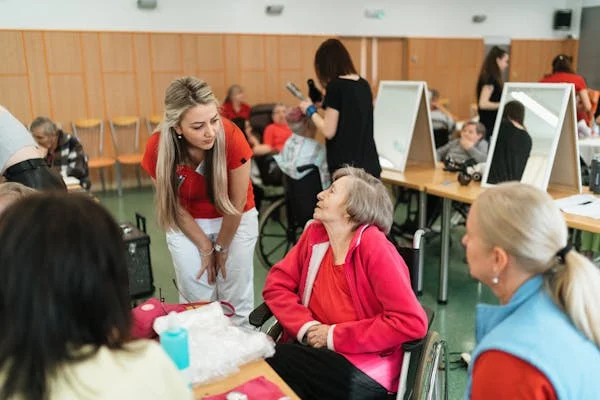
Long-term care facilities are designed to provide a safe and supportive environment for elderly residents, offering the care and companionship they need in their later years. However, the reality within these settings can sometimes be starkly different. Personal conflicts, verbal abuse, and even physical violence are not uncommon, creating an atmosphere of tension and discomfort for residents and staff alike. The causes of these conflicts are varied, ranging from cognitive impairments to emotional distress, but experts agree that better staffing and targeted training can significantly ease these tensions.
A recent New York Times article highlighted the unsettling reality of resident-to-resident aggression in long-term care facilities. The article describes a scene at an assisted living facility in New York State where a small crowd had gathered at the dining room entrance. A woman, growing tired and frustrated, asked the man in front of her to move, but he didn’t seem to hear. This minor incident is emblematic of a much larger issue in long-term care settings.
Research led by Eilon Caspi, a gerontologist at the University of Connecticut, underscores the prevalence of these conflicts. His studies have revealed that 20.2 percent of residents in long-term care facilities were involved in at least one verified incident of resident-to-resident mistreatment within a month. Even more concerning, over 30 years, Caspi identified 105 resident deaths resulting from conflicts with other residents. These findings highlight the urgent need for effective intervention strategies in these environments.
The Role of Training and Staffing
Experts like Dr. Karl Pillemer, a gerontologist and researcher, emphasize that the first line of defense against these conflicts is proper training for staff. Dr. Pillemer is involved in the Cornell-developed program “Improving Resident Relationships in Long-Term Care,” which provides online and in-person training programs for staff members and administrators. This program has demonstrated that workers who receive this specialized training are more knowledgeable and better equipped to recognize and report aggressive incidents, thereby preventing escalation and ensuring the safety of all residents.
However, training alone is not enough. Adequate staffing levels are crucial to creating a calm and supportive environment. When staff are overworked or stretched too thin, they are less able to monitor residents effectively and intervene when conflicts arise. Ensuring that facilities are properly staffed with well-trained individuals is a critical step in reducing tensions and improving the overall quality of care.
Resources and Websites for Caregivers and Families
If you or a loved one is navigating the complexities of long-term care, there are several resources that can provide guidance and support:
- National Institute on Aging: This site offers comprehensive information on residential care options, including assisted living and nursing homes. It provides valuable insights into choosing the right facility, understanding residents’ rights, and addressing potential conflicts.
- Family Caregiver Alliance: A resource for caregivers that provides information on managing relationships and conflicts within long-term care The site includes articles, webinars, and tools to help families navigate the challenges of elder care.
- The Long-Term Care Ombudsman Program: This program advocates for residents of nursing homes, assisted living facilities, and other adult care homes. They work to resolve problems related to the health, safety, and rights of individuals in these facilities, offering a critical service for families concerned about their loved ones’ well-being.
Apps and Tools to Assist with Caregiving
In addition to websites, several apps can help caregivers manage care and stay informed about their loved one’s well-being:
- CareZone: An app that helps caregivers organize and manage care for their loved It includes features for medication tracking, appointment scheduling, and note-taking, making it easier to keep all care-related information in one place.
- Lotsa Helping Hands: This app facilitates coordination among family members and friends by creating a community support network. Users can manage caregiving responsibilities, schedule tasks, and communicate with other caregivers, ensuring that everyone stays on the same page.
- Elder 411: Created by geriatric care manager Dr. Marion Somers, this app offers practical advice and solutions for caregivers dealing with the everyday challenges of elder care, including managing conflicts in long-term care settings.
Moving Forward: Creating a Safer Environment for Our Elders
Addressing the issue of conflicts and violence in long-term care facilities requires a multifaceted approach that includes proper training, adequate staffing, and the use of supportive resources. By equipping staff with the knowledge and skills they need to manage conflicts and by ensuring that facilities are properly staffed, we can create a safer and more compassionate environment for all residents.
As we continue to explore ways to improve long-term care, I invite you to share your experiences and insights. Have you or a loved one encountered conflicts in a long-term care setting? What strategies or resources have been most helpful to you? Join the conversation on our forum and let’s work together to find solutions and support one another in this critical aspect of elder care.