
How Your Protein Needs Change as You Age
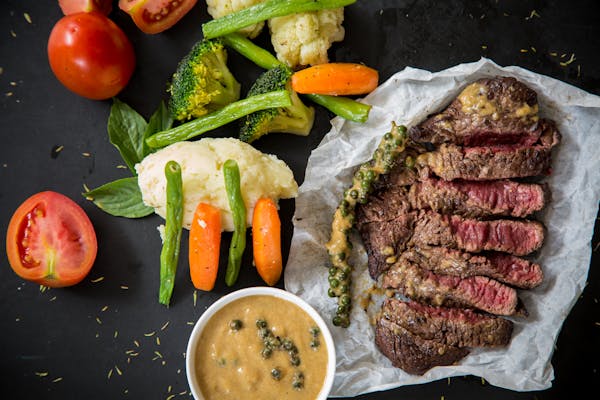
Most people in the United States consume enough protein daily, but as we age, it’s essential to pay closer attention to our protein intake. Protein is a vital nutrient that plays a critical role in every function of the body—from building muscle, bone, and collagen to aiding in digestion and fighting infections. As Glenda Courtney-Martin, a nutrition scientist at the University of Toronto, explains, “Protein is essential for every function in your body.” However, our protein needs change throughout life, influenced by age, body size, and other factors.
Protein Needs Through the Life Stages
Childhood and Adolescence
During childhood and adolescence, the body is in a constant state of growth. This growth demands a higher proportion of protein relative to body weight compared to adults. As children and teens develop, they require more protein to support the rapid formation of muscle, bone, and other tissues. This period is crucial for establishing healthy eating habits that can carry into adulthood.
Young and Middle Adulthood
By the time you reach your late teens or early twenties, your body’s growth slows down, and your protein needs stabilize at a maintenance level. The federal guideline recommends that adults aged 19 and older consume 0.36 grams of protein per pound of body weight daily. For example, a 185-pound adult should aim for about 67 grams of protein per day, which is achievable through a balanced diet including foods like salmon, lentils, and almonds.
Studies suggest that most young and middle-aged adults meet their daily protein requirements. Among adults aged 19 to 50 in the United States, less than 10% of men and between 10% and 25% of women fail to get the recommended amount of protein each day. This indicates that while protein intake is generally adequate, there is room for improvement, particularly among women.
Older Adulthood
As we age, our protein needs may increase again. While the current federal guidelines recommend the same protein intake for older adults as for younger ones, emerging research suggests that adults aged 65 and older may benefit from consuming slightly more—between
0.45 and 0.54 grams per pound of body weight. For a 185-pound adult, this means consuming 84 to 101 grams of protein per day. This amount can be met with a diet including cottage cheese, tuna salad on whole wheat bread, and a chicken breast.
Stuart Phillips, a muscle physiologist and nutrition researcher at McMaster University, points out that as we enter our 50s and beyond, muscle mass begins to decline. This loss of muscle can increase the risk of falls, fractures, hospitalization, and even earlier death. Therefore, ensuring adequate protein intake becomes even more critical in maintaining muscle mass and overall health in older adulthood.
Action Steps to Meet Your Protein Needs
To ensure you’re meeting your protein needs at every stage of life, consider the following action steps:
1. Assess Your Current Protein Intake:
- Use apps like MyFitnessPal to track your daily protein This can help you identify whether you’re meeting your recommended levels and where you might need to make adjustments.
2. Incorporate High-Quality Protein Sources:
- Focus on adding high-quality protein sources to your Foods like lean meats, fish, eggs, dairy products, legumes, and nuts are excellent choices. For vegetarians or those looking to diversify their protein sources, options like tofu, tempeh, and quinoa can be great additions.
3. Consider Protein Supplements:
- If you struggle to meet your protein needs through food alone, especially as you age, consider using protein supplements. Powders made from whey, casein, or plant-based proteins can be easily added to smoothies or meals. However, it’s always a good idea to consult with a healthcare provider before starting any
4. Engage in Regular Exercise:
- Regular physical activity, particularly strength training, can help maintain muscle mass as you age. The Centers for Disease Control and Prevention (CDC) recommends that older adults engage in muscle-strengthening activities on two or more days a week. Pairing exercise with adequate protein intake can maximize the benefits for muscle health.
5. Monitor Your Health:
- Regular check-ups with your healthcare provider can help you monitor your muscle mass and overall Blood tests can also assess your protein levels, ensuring you’re on the right track.
As you consider your current diet and lifestyle, ask yourself: Are you getting enough protein to support your health as you age? What changes can you make today to ensure you continue to thrive in the years to come? We invite you to join the conversation and share your thoughts in the Age Brilliantly forum.