
How Will You Train Your Brain Til 100+?
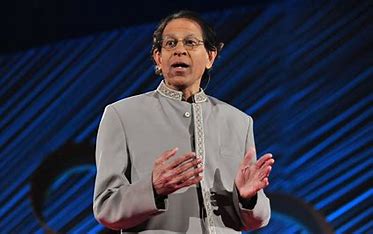
If we’re going to live to 100 and beyond, we want those extra years to be filled not just with breath—but with brilliance. While age brings wisdom, it can also bring cognitive challenges if we don’t proactively engage our brains. The good news? Research shows we can maintain—and even grow—our mental capacity well into our later decades. It starts with rethinking how we fuel, challenge, and nurture our minds.
As psychiatrist and longevity expert Dr. Dilip Jeste has said, “Aging is inevitable, but decline is not.” This means the power to preserve cognitive vitality lies in our daily choices and the way we design our lives. With some intentional practices, your mind can remain as curious and resilient as ever.
The Science of Staying Sharp
Multiple studies have shown that cognitive function can be protected with the right habits. One of the most referenced, the FINGER study, found that a combination of diet, physical activity, cognitive training, and vascular risk monitoring significantly slowed cognitive decline in older adults. The takeaway? Brain health is not a mystery—it’s a lifestyle.
Similarly, the Harvard Health Blog highlights that activities like learning new skills, managing stress, social engagement, and getting enough sleep are all critical in supporting long-term mental function.
Daily Habits That Build Mental Resilience
Want to boost your cognitive vitality for decades to come? Here are some daily strategies:
- Move your body. Physical activity improves blood flow to the brain. Even brisk walking has been shown to slow cognitive aging, according to a study by the National Institute on Aging.
- Prioritize sleep. Sleep is when the brain consolidates memory and clears toxins. Aim for 7–9 hours nightly.
- Try intermittent learning. Apps like Elevate or Lumosity provide daily brain games that adapt to your cognitive level and help strengthen working memory, focus, and problem-solving.
Feed Your Brain
The right fuel matters. The MIND Diet, which combines the Mediterranean and DASH diets, has been linked to a reduced risk of Alzheimer’s. It encourages leafy greens, berries, nuts, whole grains, and fish—all rich in antioxidants and nutrients that support brain function.
Hydration, often overlooked, is also critical. The brain is around 75% water, and even mild dehydration can impair focus and memory. Keep a water bottle handy and drink consistently throughout the day.
Social Ties and Purpose: Cognitive Superpowers
A lesser-known but potent brain booster? Relationships. A 2018 study in the Journal of Gerontology found that older adults with strong social networks and a sense of purpose in life performed better cognitively over time. So pick up the phone, join a book club, or volunteer—your brain thrives on connection.
And don’t forget your “why.” Purpose has been linked to better memory and even a lower risk of Alzheimer’s. As Viktor Frankl famously wrote, “Those who have a ‘why’ to live can bear with almost any ‘how.’”
Tech and Tools to Support Brain Longevity
In addition to lifestyle practices, technology can enhance your brain health journey. Here are a few resources:
- BrainHQ: Backed by neuroscientists, this platform offers evidence-based brain training exercises.
- Headspace or Calm: Mindfulness meditation helps reduce chronic stress, which is known to impair memory and concentration.
- TED-Ed: Watch educational videos that challenge your thinking and expose you to new ideas.
You can even take free courses through platforms like Coursera or edX to continue growing and learning in any field that interests you.
Let’s Talk: How Will You Train Your Brain for 100+?
Cognitive longevity isn’t about avoiding aging—it’s about embracing it with intention, creativity, and curiosity. So let’s spark a conversation:
- What new skill would you love to learn this year?
- Are you engaging your brain daily? If not, what’s one easy habit you can start tomorrow?
- What’s one app, course, or book that’s made a difference in your mental sharpness?
Join the conversation in the Age Brilliantly Forum to swap tips, share goals, and connect with others who are committed to keeping their minds sharp for the long run. Whether you’re learning a new language at 70 or planning a late-in-life degree, your brain is ready—are you?