
How to Maximize the Surprising Upsides to Aging
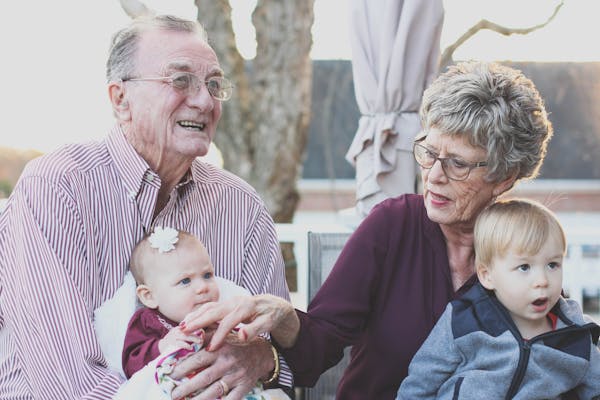
Aging often comes with a mix of challenges and opportunities. According to Laura Carstensen, the founding director of Stanford University’s Center on Longevity, growing older doesn’t just bring wisdom—it can also improve emotional well-being. The Wall Street Journal recently highlighted her insights on why aging is emotionally enriching and how society needs to evolve to fully embrace longer life spans. Here’s how you can take advantage of these findings to live a longer, healthier, and more fulfilling life.
Why Aging Often Brings Emotional Growth
Carstensen’s research reveals a surprising truth: older people often experience greater emotional stability and satisfaction than younger individuals. As people age, they tend to live more in the present, reducing anxiety about the future and increasing their ability to appreciate life’s moments. Studies even show that older adults are better at focusing on positive experiences and are less likely to dwell on negativity.
This emotional resilience is partly because older people have shorter time horizons and fewer “what-ifs” to consider. This clarity often results in a deeper understanding of their place in the world and a greater ability to manage life’s challenges.
Steps to Embrace the Benefits of Aging
1. Reframe How You Think About Aging
Negative stereotypes about aging can hinder your emotional and physical well-being. Research shows that older adults who view aging positively tend to live longer, healthier lives.
Action Steps:
- Challenge internalized stereotypes by keeping a journal of positive experiences and achievements as you age.
- Practice gratitude daily using apps like Grateful to focus on the positives.
- Follow communities like Changing the Narrative to combat ageism.
2. Live in the Present Moment
Older adults often find joy in the present rather than constantly planning for the future. This shift can reduce stress and improve mental health.
Action Steps:
- Practice mindfulness with apps like Headspace or Calm.
- Schedule daily moments to savor simple pleasures like a walk, a good meal, or time with loved ones.
3. Expand Your Horizons Throughout Life
Carstensen advocates for rethinking life’s traditional milestones to better align with longer life spans. This includes embracing lifelong learning, flexible work schedules, and purpose-driven retirement.
Action Steps:
- Explore online learning platforms like Coursera or edX to master new skills.
- Consider part-time or freelance work to stay Websites like FlexJobs can help you find opportunities.
- Volunteer for causes that inspire you through VolunteerMatch.
4. Foster Meaningful Connections
Social bonds are critical to emotional and physical health at any age. Strengthen your relationships with family, friends, and community members to maintain a strong support network.
Action Steps:
- Join intergenerational programs like Generations United to foster mutual understanding and companionship.
- Use platforms like Meetup to find groups and activities that match your interests.
- Schedule regular calls or visits with loved ones to nurture close relationships.
The Role of Society in Supporting Aging
Carstensen’s concept of the “new map of life” emphasizes the need to rethink societal structures to optimize the gift of longer life spans. She suggests reimagining education, work, and retirement to create a more balanced, fulfilling trajectory for individuals of all ages. For instance, extending childhood education, integrating midlife sabbaticals, and normalizing flexible work schedules can better align with longer life spans.
What You Can Do: Advocate for policies and practices that promote flexibility and lifelong learning. Support organizations like Encore.org that champion intergenerational collaboration and meaningful contributions from older adults.
Overcoming Challenges in Later Life
While aging has its upsides, challenges such as physical decline, loneliness, and financial stress can arise. However, older adults often cope better with these difficulties compared to younger people, thanks to their emotional resilience and ability to focus on what truly matters.
Action Steps:
- Address physical health proactively with regular checkups and fitness routines tailored to your needs. Programs like SilverSneakers can help.
- Combat loneliness by joining senior centers, clubs, or online Papa pairs older adults with companions to provide social interaction and assistance.
- Seek professional help for mental health challenges through platforms like BetterHelp.
Envisioning a Future That Values Aging
As populations age, a world with more older adults offers unique opportunities for societies to benefit from their skills, wisdom, and experiences. To make this vision a reality, we must challenge ageist stereotypes and create systems that support individuals at every stage of life. This means valuing the contributions of older people and ensuring they have access to resources that enable them to thrive.
Join the Conversation
What steps are you taking to embrace the upsides of aging? How can we work together to create a society that values and supports individuals across all stages of life? Share your thoughts and ideas in our Age Brilliantly Forum. Let’s inspire one another to make the most of life’s incredible journey, regardless of age.