
How the Arts Keeps The Mind Healthy
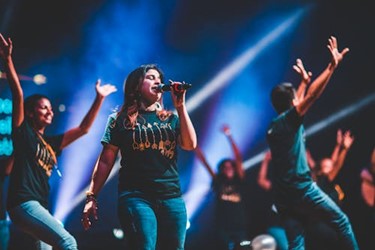
“Art enables us to find ourselves and lose ourselves at the same time.” — Thomas Merton
There’s something extraordinary about watching someone in their 70s sing with joy, pick up a paintbrush for the first time, or dance without fear of judgment. It’s more than just entertainment—it’s medicine. The arts have the power to elevate mood, stimulate memory, reduce stress, and even slow the progression of cognitive decline, including dementia.
A growing body of research shows that creative expression is one of the most powerful tools we have for aging vibrantly. According to the National Institutes of Health, older adults who regularly engage in the arts experience improved cognitive function, reduced depression and anxiety, and enhanced quality of life (NIH Research).
Even more promising, activities like singing, dancing, drawing, and storytelling have shown measurable benefits in individuals living with dementia and Alzheimer’s disease. The arts don’t just entertain—they connect, heal, and ignite the brain.
1. Singing Stimulates Memory and Mood
Music taps into parts of the brain that are remarkably resilient to age and disease. Studies show that singing and listening to music can trigger autobiographical memories, regulate mood, and improve verbal fluency in those with dementia.
A 2020 study published in Frontiers in Psychology found that group singing improved attention, working memory, and well-being among older adults with mild cognitive impairment (Frontiers in Psychology).
Action Step: Join a local choir or virtual singing group. Apps like KaraFun make it easy to sing along at home to your favorite classics.
2. Dancing Enhances Balance and Brain Function
Dancing is a full-body workout for your brain. It combines physical activity, rhythm, memory, and social interaction—all of which are proven to stimulate neuroplasticity and improve executive function.
A German study published in Frontiers in Human Neuroscience found that older adults who danced regularly had larger hippocampal volumes (critical for memory) and improved balance compared to those who only did traditional fitness exercises (Frontiers in Human Neuroscience).
Action Step: Try beginner dance tutorials on YouTube’s Senior Fitness with Meredith or join a local ballroom or Zumba Gold class tailored for older adults.
3. Visual Arts Encourage Focus and Emotional Expression
Painting, drawing, sculpting, and other visual arts provide a calming, meditative space for emotional release and cognitive engagement. Creative tasks like these have been shown to improve mood, reduce stress hormones, and strengthen fine motor skills.
The National Endowment for the Arts has funded studies that demonstrate how participating in arts programs increases psychological well-being and reduces dependence on medication among seniors (NEA Research).
Action Step: Sign up for a virtual class on Skillshare or take a free in-person art workshop at your local library or senior center. Consider apps like Happy Color for a digital, relaxing coloring experience.
4. Storytelling and Theater Build Connection and Cognitive Resilience
Theater and storytelling aren’t just for the stage—they’re dynamic tools for boosting verbal skills, empathy, and creativity. In fact, participating in narrative arts has been shown to enhance memory recall and foster deeper social connections—both crucial for aging well.
Programs like TimeSlips use creative storytelling to engage people with memory loss through imagination rather than facts, yielding powerful emotional and cognitive responses (TimeSlips).
Action Step: Begin recording or writing your life stories using StoryCorps, or join a local storytelling group to share experiences with others.
5. Make Art a Regular Ritual
Like any wellness practice, the benefits of creative expression are strongest when it becomes part of your routine. Carve out regular time in your week to sing, paint, dance, or write—not for perfection, but for pleasure and presence.
“Creativity is intelligence having fun.” — Albert Einstein
Engaging in creative activities reduces cortisol (the stress hormone), increases dopamine (the reward hormone), and gives your brain a joyful workout.
Action Step: Schedule “art time” into your calendar just like you would an exercise class or doctor’s appointment. Consistency is the secret to lasting benefits.
6. Share and Celebrate Your Creations
One of the best parts of creating is sharing. Whether it’s a song, a poem, or a watercolor, sharing your work builds confidence, community, and even legacy.
Creative output becomes a way to connect generations and tell stories that words alone sometimes can’t.
Action Step: Organize a mini art show at home or share your projects with loved ones over Zoom. Join platforms like GetSetUp to meet others who are exploring creativity later in life.
The arts aren’t just hobbies. They’re tools for healing, growth, and longevity.
What creative practice has brought you joy—or which one have you always wanted to try?
Join the conversation in the Age Brilliantly Forum and share how you’re using the arts to age brilliantly. Let’s keep creating, connecting, and celebrating life—one brushstroke, note, and dance step at a time.