
How Social Media Affects Mental Health and Quality of Life
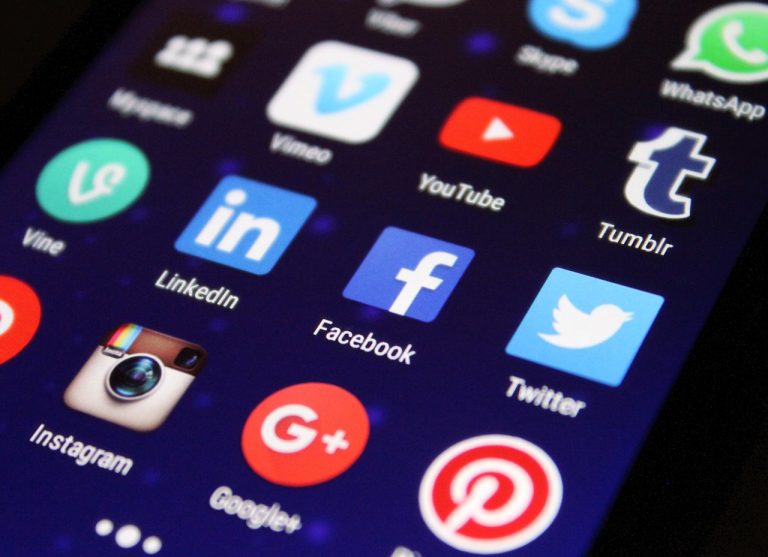
Social media has become a central aspect of daily life for many, connecting people across generations and fostering global communities. For older adults, these platforms provide new ways to stay in touch with family, meet like-minded individuals, and engage in hobbies.
However, social media also comes with its own set of mental health implications that can affect individuals at every age—especially for Gen Z, who have grown up immersed in these platforms.
Studies consistently show that while social media can have positive effects on mental health, including fostering connections and reducing loneliness, it also has the potential to exacerbate feelings of anxiety, depression, and loneliness, particularly when used excessively or for unhealthy comparisons. As we age, it becomes increasingly important to find a balance between using social media to connect and the need for real-world interactions that support well-being.
The Impact of Social Media on Mental Health Across Generations
1. Social Media and Older Adults: Bridging the Gap and Facing New Challenges
For older adults, social media can be a lifeline that bridges the gap between generations, helping them stay connected to family and friends who may live far away. A study published in The Journals of Gerontology found that older adults who engage in positive social media interactions—such as chatting with family members or joining virtual communities—experience improved mental health, reduced loneliness, and enhanced life satisfaction (Journals of Gerontology Study).
However, social media use can have a darker side for older adults, particularly when it becomes a substitute for real-life interactions. Prolonged exposure to idealized images on platforms like Instagram or Facebook can lead to social comparison, which can negatively affect self-esteem and overall well-being. This is especially true when older adults see posts that promote unattainable standards of health, beauty, or lifestyle.
A study in Psychology and Aging found that older adults who compare themselves to others on social media may experience increased feelings of inadequacy and depression (Psychology and Aging Study). The pressure to “keep up” with younger generations or to present a polished version of themselves can exacerbate stress and lower self-esteem.
Action Steps:
- Limit screen time: Use tools like Screen Time (iOS) or Moment to monitor and manage time spent on social media.
- Curate your feed: Follow accounts that uplift and promote well-being, rather than those that encourage comparisons or unrealistic expectations.
- Balance online interactions with offline connections: Make an effort to have real-life social interactions in addition to digital ones.
2. Social Media’s Impact on Gen Z: Navigating the Pressure of Perfection
Gen Z, the first generation to grow up with social media as a constant presence, faces unique mental health challenges. Research from The American Journal of Preventive Medicine suggests that excessive use of social media, particularly platforms like Instagram, Snapchat, and TikTok, can lead to feelings of anxiety, depression, and loneliness among young people. This is due, in part, to the constant exposure to idealized lifestyles, beauty standards, and experiences that are often unattainable in real life (American Journal of Preventive Medicine Study).
A study published in JAMA Psychiatry found that high levels of social media use among teenagers were linked to greater feelings of social isolation and depression, exacerbating the mental health crisis in Gen Z (JAMA Psychiatry Study). The pressure to appear perfect or constantly perform for an online audience can be emotionally exhausting for young people, who may struggle with feelings of inadequacy or fear of missing out (FOMO).
Action Steps:
- Set boundaries for social media use: Use apps like Moment or AppDetox to limit screen time and avoid excessive use.
- Practice digital detox: Dedicate certain times of the day to be “phone-free” and focus on real-world activities or personal reflection.
- Engage in face-to-face interactions: Strengthen real-life relationships through social clubs, volunteering, or regular meetups using Meetup or local community events.
3. The Role of Social Media in Loneliness and Social Isolation
While social media can offer a sense of connection, it can also contribute to social isolation, especially when used as a primary mode of interaction. A study from the National Institute on Aging found that people who engage primarily in online interactions report higher levels of loneliness and depression. The lack of physical presence and deeper emotional connection may leave older adults feeling disconnected, even when they have hundreds of online friends (National Institute on Aging Study).
Action Steps:
- Encourage face-to-face interactions: Prioritize in-person meetups, whether with family, friends, or through local events like those listed on Nextdoor.
- Join support groups: Participate in virtual or in-person support groups to foster deep connections and provide emotional support. Look for groups on platforms like Facebook or Reddit that focus on topics relevant to your interests and experiences.
- Volunteer or contribute to a cause: Find meaningful volunteer opportunities through platforms like VolunteerMatch or local organizations.
4. Mental Health Implications of Excessive Social Media Use
Overuse of social media can lead to “digital burnout,” causing an increase in mental health issues like anxiety, depression, and stress. Research in The American Journal of Geriatric Psychiatry indicates that excessive time spent on social media can disrupt sleep and negatively impact mental health, especially among older adults who are more vulnerable to these issues due to isolation or pre-existing conditions (American Journal of Geriatric Psychiatry Study).
Action Steps:
- Monitor digital habits: Keep track of your social media habits using apps like Moment or Screen Time.
- Practice mindfulness: Apps like Headspace or Calm can help manage stress and provide techniques to unwind and relax.
Navigating Social Media for Healthier Aging
Social media plays a significant role in the lives of people across all generations. While it offers unparalleled opportunities for connection and engagement, it’s essential to use it mindfully to avoid the negative impacts on mental health and overall well-being. By setting boundaries, curating your online experiences, and ensuring a balance between virtual and real-world interactions, you can use social media as a tool for greater fulfillment and connectivity without sacrificing your mental health.
How has social media impacted your mental health as you age, and what steps do you take to maintain a healthy balance?
Join the conversation at the Age Brilliantly Forum and share your experiences with social media and its impact on your quality of life!