
How Pregnancy Can Change Your Biological Age
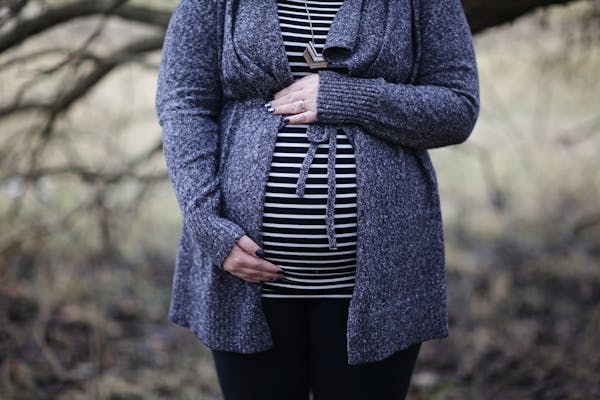
Pregnancy is often painted as a beautiful journey of creation, but new research is revealing a less glamorous side—one that suggests pregnancy may actually accelerate aging. According to a recent article in The Washington Post, two studies show that the biological age of pregnant women may increase significantly during gestation, due to alterations in genetic markers within their blood cells. However, there’s a silver lining: this process may reverse after childbirth, especially for mothers who breastfeed.
Understanding Biological Age
Biological age differs from chronological age—it’s not just about the number of candles on a birthday cake. Biological age is determined through biological-age “clocks,” sophisticated algorithms that assess epigenetic markers on genes. These markers evolve in response to age, health, and lifestyle, showcasing the remarkable interplay between our environment and genetics.
Calen P. Ryan, an associate research scientist at the Columbia Aging Center, observes, “Pregnancy has a big impact on a woman’s body and biological age.” The studies conducted on 825 young women in the Philippines reveal a clear trend: women who are or have been pregnant exhibited an elevated biological age compared to their non-pregnant counterparts.
The Studies at a Glance
- Study 1: Published in Proceedings of the National Academy of Sciences, researchers found that pregnant women saw an increase in biological age—by several months at This research controlled for various factors, confirming that the accelerated aging effect was robust.
- Read the study: Proceedings of the National Academy of Sciences
- Article Reference: Washington Post Article
2. Study 2: Published in Cell Metabolism, this research tracked the biological age of pregnant participants over the course of their pregnancies, demonstrating an observable change in internal age throughout different pregnancy stages.
-
- Read the study: Cell Metabolism
Bringing It Together: Action Steps for Expecting Mothers
To navigate the biological changes that come with pregnancy, there are several action steps expecting mothers can take:
- Prioritize Your Health: Consuming a balanced diet rich in antioxidants (found in fruits and vegetables) can combat oxidative stress, which is linked to Apps like MyFitnessPal can help track nutritional intake and ensure a healthy diet.
- Stay Active: Moderate exercise, approved by a healthcare provider, can promote better health outcomes for both mother and Consider using apps like Fitbit or Nike Training Club for safe workout routines.
- Manage Stress: Techniques such as yoga, meditation, and deep-breathing exercises can help manage stress, which is crucial during Apps like Headspace or Calm can guide you through mindfulness practices.
- Stay Informed: Engage with online communities that focus on pregnancy Websites such as What to Expect and The Bump offer valuable resources and forums for sharing experiences.
- Breastfeed, If Possible: Research suggests that breastfeeding may help in reversing some of the biological aging Find support and information through resources like the La Leche League.
Together, these studies underscore the physical demands of pregnancy and the complex relationship between aging and motherhood. While the news about accelerated biological aging might seem daunting, the potential for rejuvenation post-birth offers an inspiring perspective on the body’s resilience.
What are your thoughts on this topic? Have you experienced any changes during or after pregnancy? Join the discussion in our forum: Age Brilliantly Forum.
References: