
How Diet and Exercise Are Saving Lives
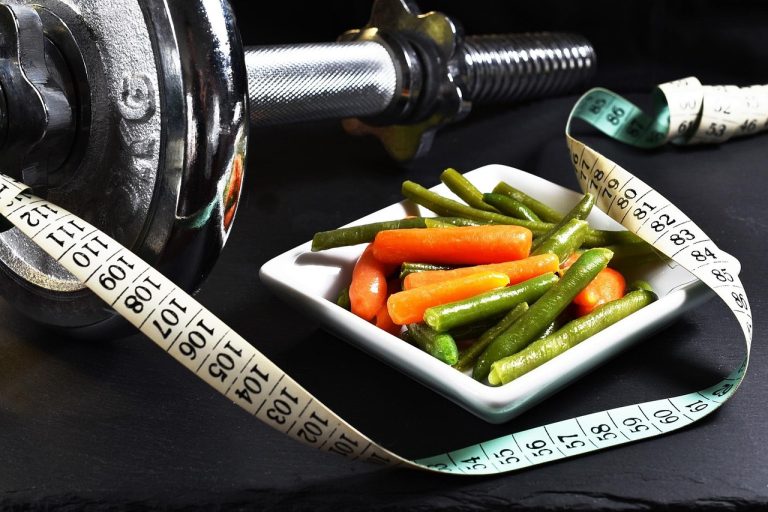
We’ve long known that exercise and diet are essential pillars of long-term health. But science is now showing they’re not just helpful—they’re transformative, especially for people facing serious illnesses like cancer. At Age Brilliantly, we emphasize preventive health not just as a way to avoid disease, but as a lifelong strategy for building a body and mind that can thrive—even during life’s toughest chapters.
A recent Wall Street Journal article reveals a growing body of research that suggests movement and healthy eating can significantly boost cancer patients’ ability to tolerate treatment, improve quality of life, and extend survival. It’s not just about living longer—it’s about living better.
This approach aligns with Age Brilliantly’s core belief: that by investing in your health early and consistently, you can enjoy the benefits across every decade of life, even in the face of illness.
Prevention Isn’t Just for the Healthy
According to the American Institute for Cancer Research, regular movement and proper nutrition reduce treatment side effects and improve physical and mental resilience. Survivors who maintain active lifestyles often report less fatigue, fewer complications, and better emotional health.
Meanwhile, studies like one published in Science Translational Medicine show that exercise during treatment may boost the immune system’s T-cell response, making immunotherapy more effective (source). Similarly, diets rich in anti-inflammatory foods—such as the Mediterranean diet—help the body manage inflammation, rebuild cells, and tolerate therapies more effectively (source).
Dr. Jennifer Ligibel, a leading oncologist at Dana-Farber Cancer Institute, says it clearly: “Exercise and diet don’t just prepare the body to resist disease—they create the foundation for recovery and vitality.”
Age Brilliantly’s Lifelong Health Mindset
This is why Age Brilliantly names Health as one of its 8 Life Essentials. We don’t treat lifestyle change as a quick fix, but as an ongoing life design decision. When you prioritize movement and food choices in your 40s, 60s, or 80s, you’re not just adding years to your life—you’re adding strength, autonomy, and joy.
And that’s never more important than during a health crisis. Choosing to walk a few extra steps, stretch in the morning, or cook a nourishing meal isn’t just about biology. It’s a declaration that you are still actively designing your life—even when life feels uncertain.
Take the First Steps—At Any Stage
1. Start Small and Stay Consistent
Even light walking can reduce fatigue, boost energy, and improve mental clarity. Apps like MapMyWalk or guided options from Daily Yoga can help you ease in safely. For cancer-specific movement, explore Cancer Exercise Training Institute.
2. Eat with Purpose, Not Perfection
The goal isn’t to follow a strict “cancer diet”—it’s to nourish your body with real, whole foods. Prioritize colorful vegetables, whole grains, healthy fats (like olive oil and avocado), and lean proteins. The AICR Healthy Recipes section is a great resource.
3. Track Your Progress and Listen to Your Body
Use simple tools like MyFitnessPal to monitor food and energy levels. Journaling how you feel—mentally and physically—can help you understand what supports you most during healing.
4. Join a Supportive Community
Healing is easier when you don’t go it alone. Whether you’re facing a diagnosis or simply committed to long-term wellness, seek communities that support healthy, purpose-driven living. Age Brilliantly’s forum is a place where members of all ages share stories, tools, and encouragement to live consciously and courageously.
A Moment of Reflection and Connection
“The best time to plant a tree was 20 years ago. The second-best time is now.” This ancient proverb speaks to the truth behind preventive health. Whether you’re 45 or 85, facing illness or simply preparing for a vibrant future, what you do now matters immensely.
So ask yourself:
- What small habit can I start today to invest in my long-term health?
- How does my daily routine reflect the kind of future I want?
- What’s one change I’d thank myself for in 10 years?
The answer doesn’t need to be dramatic. In fact, the most effective changes are often quiet and sustainable: a daily walk, a plate of roasted vegetables, a few minutes of mindful breathing.
Join the Conversation
How have exercise or nutrition helped you—or someone you love—during a health challenge?
What’s one change you’re committing to today for your future self?
Do you see preventive health as part of your long-term life design?
We’d love to hear your story and support your journey. Join the discussion in the Age Brilliantly forum: https://agebrilliantly.org/forum/
Let’s inspire each other to take charge of our health, our future, and our 100-year lives—one smart choice at a time.