
How Can You Stay Physically Fit at Any Age
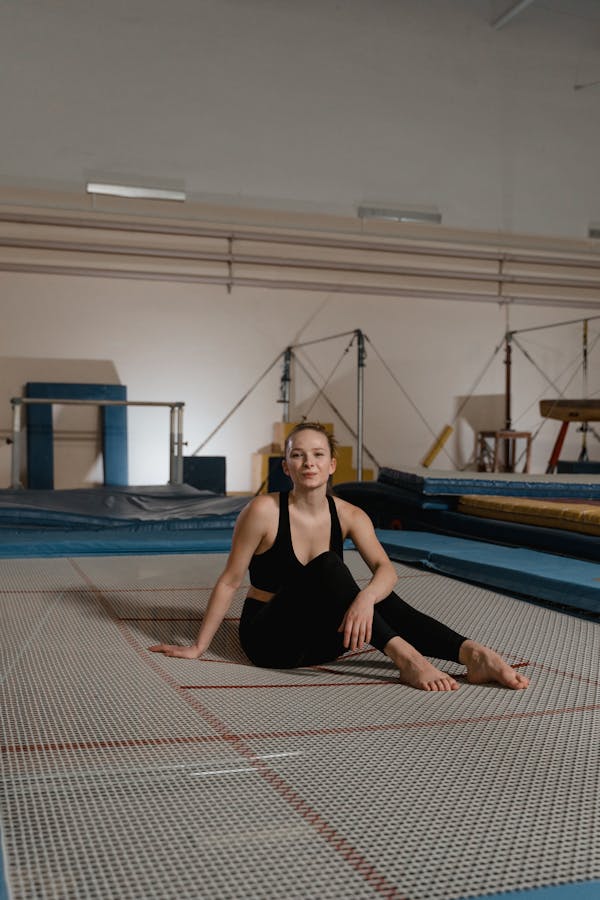
Staying physically fit isn’t just about looking good; it’s about feeling good and maintaining your health well into your later years. No matter your age, regular physical activity is one of the most powerful ways to boost your energy, improve mood, and reduce the risk of chronic diseases.
The best part? It’s never too late to start improving your fitness.
Each decade of life comes with its own set of physical changes and challenges. However, with the right strategies, you can maintain or even improve your fitness as you age. Here’s a breakdown of best practices for staying physically fit in every decade, backed by science and expert advice.
Physical Fitness in Your 20s: Laying the Foundation
In your 20s, your body is naturally more resilient, and this decade is the perfect time to build a strong foundation of physical fitness that will serve you in the decades to come. The focus in your 20s should be on creating a balanced routine that combines cardiovascular exercise, strength training, and flexibility.
Action Steps for Physical Fitness in Your 20s:
- Prioritize Strength Training: Aim for 2-3 strength training sessions per week. Use apps like StrongLifts 5×5 to guide you through simple, effective lifting routines.
- Incorporate Cardiovascular Exercise: Regular cardio can improve heart health. Try apps like Map My Run or Strava for tracking running or cycling.
- Stretch and Improve Flexibility: Consider using Yoga With Adriene on YouTube for free yoga routines that will help increase flexibility and reduce injury risk.
A study in The Journal of Physiology found that maintaining strength and cardiovascular fitness in your 20s leads to healthier aging in your 30s and beyond. Establishing consistent habits now will benefit you in the long run.
Physical Fitness in Your 30s: Maintaining Balance and Flexibility
As you enter your 30s, the body starts to experience a natural decline in muscle mass and bone density, which can lead to joint pain and stiffness. This is the time to emphasize functional fitness—exercises that mimic everyday movements and enhance balance, flexibility, and strength.
Action Steps for Physical Fitness in Your 30s:
- Focus on Core Strength: Strengthening your core muscles can help with posture and balance. Pilates or stability ball exercises can be beneficial. ClassPass offers classes in Pilates, yoga, and more.
- Add Flexibility Routines: Incorporate yoga or Pilates to improve flexibility and prevent injury. Glo offers online yoga classes tailored to your level.
- Monitor Your Nutrition: Proper nutrition is key as your metabolism naturally slows down. Apps like MyFitnessPal can help you track your daily intake and maintain a balanced diet.
A study published in The American Journal of Clinical Nutrition found that resistance training in your 30s helps mitigate muscle loss, which is critical for maintaining mobility and strength as you age.
Physical Fitness in Your 40s: Strengthen and Support
In your 40s, muscle mass begins to decline more significantly, and hormonal changes (like a decrease in testosterone) can impact strength and endurance. This is the perfect time to shift focus towards muscle-preserving exercises that support your bones and joints.
Action Steps for Physical Fitness in Your 40s:
- Embrace Weight Training: Include weight training in your routine at least 2-3 times per week to help maintain muscle mass. Apps like JEFIT provide customizable workout plans.
- Increase Low-Impact Cardio: Swimming or cycling are excellent low-impact exercises that protect joints. You can use Zwift for virtual cycling training or Swim.com for swim tracking.
- Take Care of Your Joints: Consider adding joint-strengthening exercises and stretching. Apps like Stretching Exercises offer guided routines.
Research from the National Institute on Aging suggests that maintaining a routine of strength training and cardiovascular exercise helps preserve bone density and muscle mass in your 40s.
Physical Fitness in Your 50s: Staying Strong and Active
As you reach your 50s, the risk of developing chronic diseases like high blood pressure, diabetes, and osteoporosis increases. But the good news is that staying physically active can reduce the risk of these diseases. In your 50s, focus on functional fitness that supports your mobility, reduces stiffness, and improves overall vitality.
Action Steps for Physical Fitness in Your 50s:
- Engage in Low-Impact Exercise: Activities like walking, swimming, or cycling are gentle on the joints but still effective. Map My Run can help you track your walks or runs.
- Strengthen Bones and Muscles: Resistance training and weight-bearing exercises, like squats or lunges, help prevent bone density loss. Consider using Bodybuilding.com for beginner and intermediate workout routines.
- Prioritize Flexibility: Incorporate stretching, yoga, or Pilates to improve flexibility and reduce the risk of injury. Yoga with Adriene offers a variety of yoga sessions for all levels.
Studies have shown that people in their 50s who engage in resistance training have higher bone mineral density, reducing their risk of osteoporosis and fractures. A study published in JAMA Internal Medicine emphasized the importance of strength training in reducing the risk of frailty in older adults.
Physical Fitness in Your 60s and Beyond: Maintaining Independence
As you enter your 60s, the primary goal of fitness should be to maintain independence, mobility, and strength. Focus on exercises that enhance balance, flexibility, and muscle strength to maintain a high quality of life.
Action Steps for Physical Fitness in Your 60s and Beyond:
- Engage in Balance Exercises: Activities like tai chi or simple balance drills can help prevent falls. Apps like Tai Chi for Health offer beginner-friendly routines.
- Use Resistance Bands: Resistance bands are a great tool for improving strength without putting stress on your joints. You can find online resources, such as ResistanceBandTraining.com, for guided workouts.
- Stay Socially Active: Joining group fitness classes or walking clubs can enhance motivation and make exercise more enjoyable. Check out Meetup to find local fitness groups.
A study in The Journal of Aging and Physical Activity found that people over 60 who regularly engage in physical activity experience improved mobility, strength, and balance, leading to a higher quality of life.
Fitness is a Lifelong Commitment
Staying physically fit is a lifelong journey, and it’s never too late to start. Whether you’re in your 20s or 60s, there are simple, effective strategies to stay active and healthy. The key is to prioritize movement, strength, and flexibility throughout your life. By adopting the right fitness practices for your age, you’ll improve your health, vitality, and well-being for years to come.
How do you stay physically active? What fitness practices have worked best for you at different stages of life?
Join the conversation at the Age Brilliantly Forum and share your tips for staying physically fit at any age!