
How a Simple Balance Test Can Reveal How Well You’re Aging
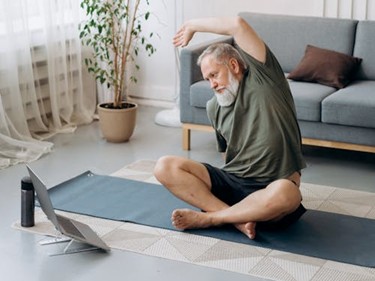
Aging brings many changes to our bodies, and one of the most important areas to pay attention to is our balance. As we get older, the risk of falls and balance issues increases, which can have serious consequences for our health and mobility. A simple test of balance can provide valuable insights into how well we are aging and help us identify potential balance problems early on.
A study conducted by researchers from the Mayo Clinic found that balance, particularly when standing on one leg, declines more rapidly with age than other physical traits such as strength or walking patterns. In the study, adults over 50 were asked to complete various balance and strength tests. What became clear was that those who could stand on one leg for longer periods were aging more healthily than those who struggled.
Maintaining good balance is essential for avoiding falls, which become more dangerous as we get older. A fall can result in fractures, especially in older adults whose bones may be more fragile. These types of injuries can take longer to heal and significantly reduce a person’s quality of life by limiting their mobility and independence.
If you find it difficult to balance on one leg for even a few seconds, it may indicate an underlying issue with your balance that needs attention. There are several reasons why balance might decline as we age. Inner ear problems, high blood pressure, or side effects from medications can all contribute to poor balance.
Identifying and addressing these issues early is crucial for maintaining mobility and reducing the risk of falls. Fortunately, there are ways to improve your balance and keep your body steady as you age.
Regular physical activity is one of the best ways to maintain and improve your balance. Strength training, in particular, helps build core stability, which plays a vital role in keeping your balance. Practicing simple balance exercises, such as standing on one leg, can also make a noticeable difference over time.
Additionally, addressing any health issues that may be affecting your balance, such as blood pressure or medication side effects, can help you regain stability. So, what can you do to improve your balance and stay steady as you age? Here are a few steps to help you on your way.
Stay Active: Regular physical activity, especially walking, can keep your muscles strong and improve balance over time. The more you move, the more your body adapts and strengthens.
Strengthen Your Core: Strengthening your core through exercises like squats, lunges, and other bodyweight movements can provide the stability needed to maintain balance.
Practice Balancing Exercises: Try standing on one leg for a few seconds daily to improve your balance gradually. Over time, your balance and coordination will improve.
Address Health Concerns: If you’re dealing with medications or health conditions that affect your balance, talk to your doctor. Adjustments in treatment or therapy may improve your stability.
By taking small steps to strengthen your body and improve your balance, you can protect yourself from the risks of falls and continue to lead an active, independent life. Don’t wait until a fall occurs to pay attention to your balance. If you’re concerned about how well you’re aging or would like more tips for staying active and healthy, join our forum and register with Age Brilliantly today!