
Helping the Next Generation See Growing Older Differently
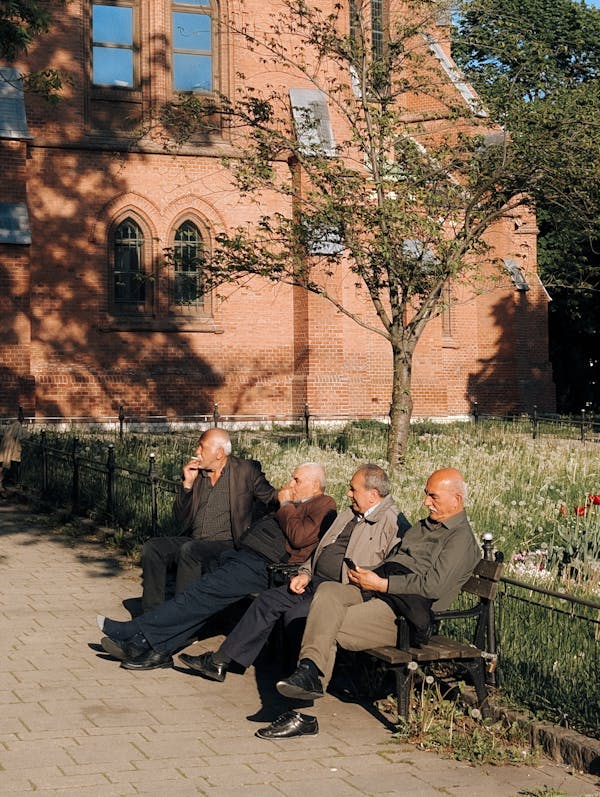
“Youth is the gift of nature, but age is a work of art.” – Stanislaw Jerzy Lec
Ask a teenager today how they feel about turning 30, and you might hear dread—“That’s so old!” Scroll through TikTok and you’ll see 20-somethings documenting their “preventative” Botox routines or mourning their aging faces before they’ve even left college. Somehow, growing older has been branded as a flaw—something to fight, fix, or fear.
But here’s the truth: aging isn’t a problem. It’s a privilege. And the earlier we help younger generations see that, the more empowered, joyful, and fulfilled their futures will be.
A 2023 AARP study revealed that nearly half of Millennials and Gen Zers associate aging with physical and cognitive decline, loneliness, and lack of relevance. This isn’t just about wrinkles—it’s a deep-seated cultural bias that’s shaping how young people view their futures. If we don’t challenge it, they’ll spend decades fearing a life stage that could actually be the most rewarding of all.
Why This Mindset Shift Matters
If the next generation believes life peaks in your 20s, they’ll stop dreaming before their full potential even begins. They’ll chase eternal youth instead of meaningful growth. They’ll measure their value by how they look instead of who they’re becoming.
Instead, let’s help them ask better questions:
- What kind of person do I want to grow into?
- How can I design a life that gets better with time?
- What if aging means becoming more free, wise, and joyful—not less?
The goal isn’t to shame those who are influenced by beauty culture. It’s to offer a new narrative—one that embraces aging as an opportunity, not a decline.
Action Steps: How to Inspire a Healthier Outlook on Aging
1. Highlight Inspiring Role Models at Every Age
From 80-year-old runners to 60-year-old CEOs to lifelong learners starting new careers at 70, there are countless examples of people thriving in every decade. Share stories from platforms like Growing Bolder or The Modern Elder Academy to show that life doesn’t end—it evolves.
Encourage the younger generation to follow influencers who promote aging with confidence, like fashion icon Iris Apfel or age-positive creators on YouTube and Instagram who share wisdom—not just wrinkle creams.
2. Shift the Conversation From Appearance to Purpose
Instead of commenting on how young someone looks, start celebrating what they’re doing with their life. Ask teens and young adults: What kind of legacy do you want to leave? What kind of life are you designing for your 50s and 60s?
Use the Ikigai framework to help them explore meaning and long-term fulfillment beyond their looks or status.
3. Promote Intergenerational Dialogue
Young people often don’t have authentic relationships with older adults outside their families. That gap fuels stereotypes. Intergenerational programs like Elder Wisdom Circle or SAGE Table create opportunities for connection, mentorship, and understanding.
Encourage schools, community centers, and families to create spaces where older and younger generations can share stories and support each other’s journeys.
4. Replace “Anti-Aging” With “Pro-Living”
Language matters. Let’s move away from products and media that frame aging as a disease. Instead of “anti-aging” marketing, look for brands and creators who speak about vitality, strength, and self-expression at any age.
Share empowering content from sites like Next Avenue and Ageist, which showcase modern aging through a lens of ambition and adventure.
5. Encourage Curiosity Over Comparison
Apps like TikTok can fuel insecurity and unrealistic expectations. Help young people set healthy digital boundaries with tools like Freedom or BeReal, and encourage them to follow accounts that spark curiosity and growth—not just beauty filters.
Offer alternatives: podcasts, books, or YouTube channels that explore purpose, self-development, or long-term planning (try The Psychology of Your 20s).
Aging Isn’t Something to Hide—It’s Something to Look Forward To
If we can help the younger generation see that aging is a powerful evolution, not a tragic decline, we give them something incredible: hope. Hope that their best ideas, relationships, health, and contributions are still ahead. Hope that life keeps getting richer, not smaller.
After all, what’s more inspiring than someone in their 80s living boldly, learning new things, and loving who they’ve become?
So let’s flip the script. Let’s show younger generations that life doesn’t peak—it expands. That 30 isn’t old, 50 isn’t finished, and 70 can be just the beginning of something extraordinary.
Let’s Talk About It
What messages about aging did you grow up with—and how have they shaped your mindset? What conversations are you having with younger people about what it means to live a fulfilling 100-year life?
Join the conversation and share your perspective in the forum.