
Help Your Child Grow Stronger Through Failure
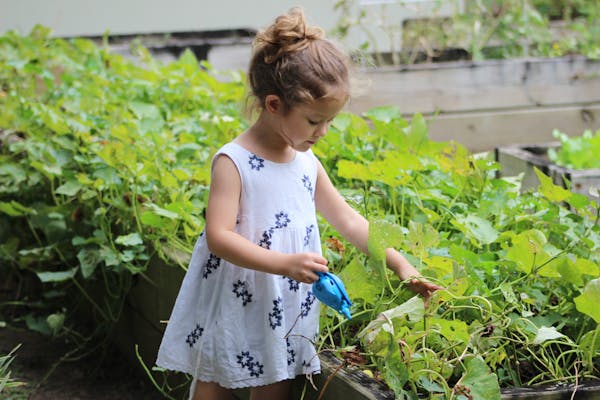
“Only those who dare to fail greatly can ever achieve greatly.” – Robert F. Kennedy
We all want to protect our children—from hurt, disappointment, and setbacks. But what if shielding them from failure also keeps them from discovering who they truly are and what they’re capable of?
Encouraging your kids to fail forward isn’t about pushing them into danger or disappointment. It’s about giving them the confidence to try, to grow through mistakes, and to develop the resilience they’ll need to live a fulfilling, purpose-driven life—especially in a world where they may live well into their 90s or 100s.
The Age Brilliantly mindset reminds us that long lives are built not on comfort zones, but on courage, curiosity, and learning. When we teach children to embrace failure as part of the journey—not the end of it—we empower them to take bold steps toward their passions and values.
Why Failing Forward Is Essential for a 100-Year Life
A 100-year life isn’t a straight line. It’s filled with experimentation, reinvention, and course correction. According to the Stanford Center on Longevity, thriving over a century requires developing a growth mindset, emotional resilience, and the ability to navigate uncertainty. That starts early.
Research published in Psychological Science found that praising effort over outcome helps children become more resilient and motivated in the face of challenges (source). When kids understand that failure isn’t shameful—it’s a step forward—they’re more willing to take healthy risks that lead to purpose and growth.
How to Help Kids Embrace Failure as Part of Purposeful Living
1. Normalize Failure as Feedback
Share your own failures openly. Whether it was a job that didn’t work out, a relationship that taught you something, or a time you didn’t meet a goal—use these stories as learning tools. Let your children see that growth often follows discomfort.
Ask:
- What did I learn?
- What would I do differently next time?
- How did this experience shape me?
Journaling together using tools like Day One helps kids reflect and grow from their own challenges.
2. Reframe Language Around Mistakes
Avoid labels like “good” or “bad” when talking about outcomes. Instead, ask:
- What did you try?
- What surprised you?
- What do you want to try next time?
Help kids move from judgment to curiosity. Using tools like GoZen can build resilience and emotional intelligence through engaging videos and exercises.
3. Encourage Risk-Taking in Safe, Supportive Environments
Give kids opportunities to step outside their comfort zones—whether it’s auditioning for a play, trying a new sport, or learning a skill that’s hard at first.
Apps like DIY.org let kids explore hands-on projects that require experimentation and creativity, reinforcing the idea that the process matters more than perfection.
Celebrate effort and courage more than results. Ask: What was brave about what you tried today?
4. Teach Growth Mindset Skills Early
Carol Dweck’s research on growth mindset shows that kids who believe their abilities can develop with effort and persistence perform better academically and emotionally (source).
Use apps like Fabulous or Happify to develop habits and thinking patterns that build confidence, focus, and motivation.
Model the mindset yourself: “I haven’t figured this out yet,” or “This is hard, but I can learn.”
5. Connect Failures to Purpose
When kids fail forward, they develop clarity about what matters to them. If a project didn’t go well, ask:
- What did you like or not like about that experience?
- Did it teach you something about your values, interests, or goals?
This helps them connect experiences to long-term purpose. Use FutureMe to write letters to their future selves reflecting on lessons learned and goals for growth.
6. Support Passions Without Pressure
Let your kids explore different interests, even if they shift directions frequently. Passion often reveals itself through exploration—not from getting it right the first time.
Websites like Outschool and Skillshare allow them to try everything from drawing and coding to public speaking and science experiments in low-pressure formats.
Purpose emerges through play, practice, and reflection.
Tools to Foster a Fail-Forward Mindset
- Notion: Track interests, goals, and lessons learned
- Coursera: For older kids, explore growth-oriented subjects with real-world impact
- Trello: Use for project-based learning and reflection
- CoGenerate: Engage with multi-generational mentors who share stories of reinvention
Failure Is Not the Opposite of Success—It’s Part of It
“Success is not final, failure is not fatal: It is the courage to continue that counts.” – Winston Churchill
When we encourage kids to fail forward, we don’t lower expectations—we expand them. We teach our children that fulfillment doesn’t come from playing it safe, but from living boldly in alignment with their purpose, even when the path is messy.
So ask yourself:
How can I create a culture of growth, reflection, and resilience in my home or classroom?
What’s one lesson I’ve learned from failure that I want to pass on to the next generation?
How can I help the young people in my life explore risk, purpose, and passion—without fear?
Join the conversation and share your reflections in the forum.