
Dancing Can Reduce Dementia Risk
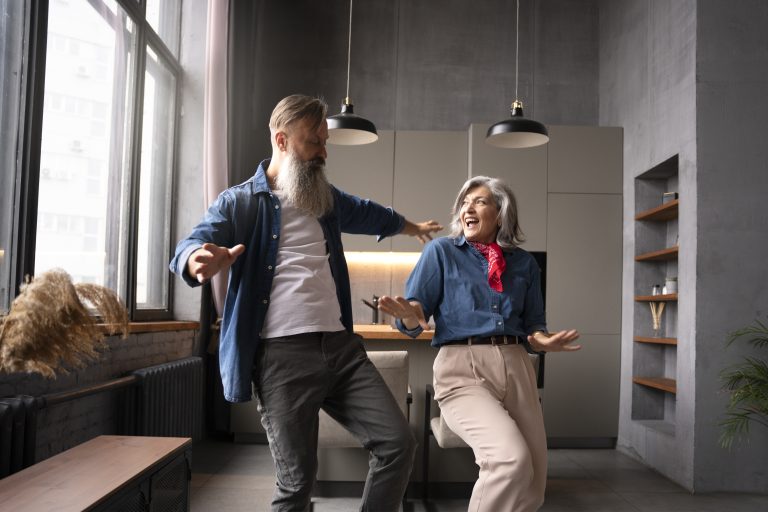
What if protecting your brain did not require complicated routines, expensive treatments, or strict regimens?
What if one of the most powerful ways to protect cognitive health was something joyful.
Something social.
Something that makes you move.
Scientists increasingly point to an activity many people overlook when thinking about brain health. Dancing.
A recent Washington Post wellness article on dancing and dementia prevention highlights research suggesting that dancing may reduce dementia risk by as much as 76 percent. The reason is surprisingly simple. Dancing combines multiple brain protecting factors at the same time including physical movement, coordination, rhythm, creativity, and social engagement.
In other words, it activates the brain and body simultaneously.
That combination may make dancing one of the most powerful activities for long term brain health.
Why Dancing Is So Powerful for the Brain
Many activities support brain health. Walking improves circulation. Reading stimulates cognition. Social interaction protects emotional wellbeing.
Dancing does all of these things at once.
It requires memory to remember steps, balance to coordinate movement, and rhythm to stay in time with music. It also often involves interaction with other people, which adds another layer of cognitive stimulation.
Research published in the New England Journal of Medicine study on leisure activities and dementia risk found that among several leisure activities studied, dancing showed the greatest association with reduced dementia risk.
One explanation is something neuroscientists call neuroplasticity. Neuroplasticity refers to the brain’s ability to create new neural connections when we challenge it with new skills and experiences.
Activities that require both physical coordination and mental engagement appear especially effective at stimulating this process.
Another large analysis published in Frontiers in Aging Neuroscience examining dance interventions and cognitive function found that dance based exercise programs improved memory, attention, and balance in older adults.
These benefits compound over time.
“The brain is like a muscle. When it is in use we feel very good.”
Carl Sagan captured something scientists continue to confirm. The brain thrives on challenge, movement, and curiosity.
Movement and Joy Work Together
One reason dancing stands out is that it blends physical activity with joy.
Many people struggle to maintain exercise habits because they feel repetitive or forced. Dancing, by contrast, feels playful and creative. That emotional engagement increases the likelihood that people will continue the activity long term.
Consistency matters.
Research from the National Institute on Aging on exercise and cognitive health shows that regular physical activity improves blood flow to the brain, supports memory, and may reduce the risk of cognitive decline.
When movement becomes enjoyable, people stick with it.
And when habits become consistent, the brain benefits for decades.
Action Steps to Strengthen Brain Health
Try a dance class in your community
Local studios and community centers often offer beginner friendly dance classes. Platforms like DancePlug and ClassPass help people find dance classes both in person and online.
Explore dance workouts at home
Apps like Steezy Studio and Just Dance Now provide guided dance sessions that make it easy to practice at home.
Track your physical activity
Fitness apps like Strava and Apple Fitness Plus can help track activity levels and keep you motivated.
Learn about brain health and longevity
Educational platforms such as Coursera courses on neuroscience and aging provide deeper insights into how lifestyle habits influence long term cognitive health.
Stay socially connected through movement
Dance clubs, community centers, and social groups create opportunities for connection, which research consistently links to better brain health.
A Joyful Path to a Healthy Brain
Many people think protecting their brain requires complicated routines or extreme discipline.
In reality, some of the most powerful habits are surprisingly joyful.
Moving your body.
Learning new skills.
Connecting with others.
Dancing happens to combine all three.
Over time those habits strengthen the brain, improve emotional wellbeing, and support a more vibrant life as we age.
Sometimes protecting the future begins with something as simple as turning on music and moving.
What activities bring you joy while also strengthening your mind and body?
Join the conversation in the Age Brilliantly Forum.