
Dan Buettner: The Secrets of the World's Longest Lives
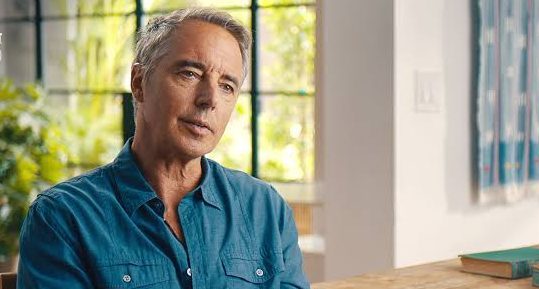
For years, we've searched for the secret to a long life. We want the perfect diet, the ideal exercise routine, or the latest breakthrough that promises to add years to our lives. It's easy to believe that the answer must be complicated because if living longer were simple, wouldn't everyone already know how to do it?
Dan Buettner approached the question differently. Instead of asking what individuals were doing, he asked where they were doing it. His curiosity led him around the world to communities where people routinely lived into their nineties and hundreds while remaining active, connected, and engaged with life. Those places would eventually become known as the Blue Zones, and what he found surprised many people.
There wasn't a miracle food that guaranteed longevity. There wasn't a single exercise program or expensive supplement that explained everything. Instead, these communities shared something much less glamorous but far more meaningful. Their daily lives naturally encouraged movement, close relationships, a sense of purpose, and strong connections to family and community. Healthy habits weren't something they squeezed into an already busy schedule. Those habits were simply woven into the way they lived.
That's a lesson worth paying attention to because so many of us approach health as a series of isolated decisions. We try a new diet for a few weeks, buy a gym membership, or promise ourselves that next month we'll finally get serious about taking care of ourselves. While those efforts are admirable, lasting change is often much harder when our environment keeps pulling us in the opposite direction.
Our surroundings shape us more than we realize. The people we spend time with influence our habits. The neighborhoods we live in affect how much we move. Our routines determine whether healthy choices become automatic or require constant willpower. It's easy to think longevity is built through dramatic moments, but more often it's built through thousands of ordinary decisions that barely seem important at the time.
Perhaps that's why the Blue Zones captured the world's attention. They shifted the conversation away from chasing the latest health trend and toward building a life that naturally supports well-being. Living longer wasn't the goal these communities woke up thinking about each morning. They focused on living well, and longevity became a byproduct.
That idea extends far beyond physical health. A meaningful life isn't created by one extraordinary achievement. It grows from the small choices we make every day: calling a friend instead of scrolling through our phones, taking a walk after dinner, preparing a meal with family, volunteering in the community, learning something new, or making time for the people who bring us joy. Individually, those moments may seem insignificant. Together, they become the foundation of a fulfilling life.
Dan Buettner's work reminds us that living brilliantly isn't about waiting for the perfect solution or discovering a hidden secret. It's about paying closer attention to the way we live today because today's habits quietly become tomorrow's future. Every conversation, every relationship, every walk, every meal, and every act of kindness is another brick in the life we're building.
Perhaps the most encouraging part of his research is that many of these choices are already within our reach. We don't need to move to a remote village halfway around the world to learn from the people who live there. We can begin by creating a life that makes healthy, meaningful choices feel less like obligations and more like a natural part of each day.
If someone looked at your daily routine, would they see habits that support the life you hope to live ten or twenty years from now?
Start the conversation by sharing your thoughts in the comments.
If you know someone who is continuing to grow, contribute, reinvent themselves, or inspire others as they age, reach out to AgeBrilliantly and tell us their story. They may be one of our next featured Pathfinders.