
Can Yoga Help You Live Stronger Longer
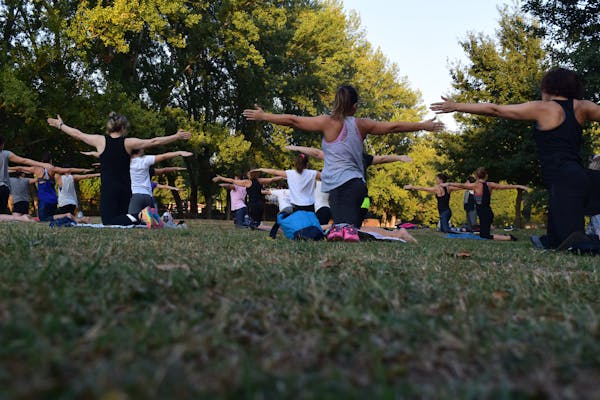
Yoga has long been celebrated for its ability to improve flexibility, strength, and mental clarity. Now, new research suggests that yoga may also play a vital role in reducing frailty and enhancing endurance in older adults—key factors for a long and independent life. A systematic review by Brigham and Women’s Hospital in Boston, published in the Annals of Internal Medicine, examined 33 randomized controlled trials involving over 2,000 participants across 12 countries. The findings are compelling: yoga improves markers of frailty such as walking speed, lower body strength, and endurance (Washington Post).
Dr. Julia Loewenthal, a geriatrician involved in the study, noted, “Many frailty markers are connected with clinically meaningful outcomes like living independently and mortality.” She hopes these findings inspire older adults to adopt yoga as part of their routine, emphasizing that a regimen tailored to individual needs could yield significant benefits.
Why Frailty Matters
Frailty affects 7–12% of people over 65 in the U.S., with symptoms like weakness, slowness, low endurance, and easy exhaustion (Medical University of South Carolina). These symptoms can significantly impact independence and quality of life. Walking speed, for instance, is strongly linked to survival; a decline may indicate that frailty’s vicious cycle is setting in. “Slower walking is associated with earlier death,” said Dr. Loewenthal. Yoga’s impact on walking speed and strength makes it a powerful tool in combating this condition.
What Makes Yoga Effective?
Yoga incorporates three elements: physical poses, controlled breathing, and meditation. Together, these practices benefit both physical and mental well-being. The Brigham study found that most interventions were based on Hatha yoga, a gentle style that emphasizes posture and breathing. Regular practice—two to three one-hour sessions per week—yielded improvements in strength and endurance.
Additionally, yoga’s focus on mindfulness may help reduce stress and inflammation, both of which contribute to age-related decline. While yoga’s benefits for handgrip strength and balance were less evident, its overall impact on multiple body systems makes it a strong contender in the fight against frailty.
How to Get Started with Yoga
Starting yoga doesn’t have to be intimidating, even for beginners or those with limited mobility. Here are some actionable steps to incorporate yoga into your routine:
1. Choose the Right Style
- Hatha Yoga: Ideal for beginners, focusing on gentle poses and breathing techniques.
- Chair Yoga: Suitable for those with mobility challenges.
Apps like Down Dog and Yoga for Seniors offer customized programs for various skill levels.
2. Find a Qualified Instructor
Search for local classes or online options with certified instructors specializing in senior yoga. Websites like Yoga Alliance can help you find a professional near you.
3. Start Small
Begin with 15-20 minutes per day and gradually increase duration as you build strength and confidence.
4. Pair Yoga with Other Exercises
Yoga complements other low-impact activities like tai chi or walking. Studies show that combining different exercise modalities enhances overall health outcomes (National Institute on Aging).
The Science Backs It Up
The evidence supporting yoga’s benefits is growing. A study published in the Journal of Aging Research found that yoga improves physical function and mental well-being in older adults, reducing the risk of falls and promoting independence (NCBI). Another study noted that yoga’s meditative component helps decrease cortisol levels, reducing stress and inflammation (ScienceDirect).
“All of these practices work across multiple body systems, which is why they are likely helpful for frailty,” Dr. Loewenthal explained. The Brigham study reinforces the idea that yoga’s holistic approach makes it uniquely effective in addressing the multifaceted nature of frailty.
Inspirational Stories
People like Tao Porchon-Lynch, who practiced yoga until her passing at age 101, show that age is no barrier to starting or excelling in yoga. Her message? “There is nothing you cannot do.”
Why It’s Worth Trying
Yoga is more than just exercise; it’s a gateway to improved quality of life. Dr. Loewenthal’s hope is clear: “We want older adults to feel encouraged by this research and empowered to adopt a regimen that works for them.”
By committing to a regular yoga practice, you can:
- Enhance physical strength and endurance.
- Improve mobility and walking speed.
- Reduce stress and foster mental clarity.
Your Next Steps
Are you ready to embrace yoga for a stronger, longer life? Share your thoughts and experiences in the Age Brilliantly Forum. How has yoga—or any other practice—helped you stay active and independent? Let’s inspire each other to live our best lives!