
Beyond Genetics Lifestyle Choices to Slow the Aging Process

You know those people who seem to defy age? They might be in their 70s, yet they have the energy and vitality of someone decades younger. These individuals embody the saying “70 is the new 50” – or perhaps even “70 is the new 30.” While genetics undoubtedly plays a role, it’s their lifestyle choices that truly set them apart. Healthy habits such as eating nutritious foods, managing stress, and staying active can significantly slow the aging process and improve overall quality of life.
Graceful aging isn’t just about avoiding wrinkles or gray hair. The ultimate goal is to maintain cognitive sharpness, preserve energy levels, and prevent age-related diseases. But how exactly can we achieve these goals? Let’s dive into some lifestyle strategies that can help us all stay youthful and vibrant.
1. Keep Your Brain Elastic
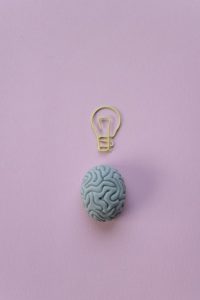 As we age, brain cells naturally lose some of their flexibility and speed. According to Dr. Sara Gottfried, author of Younger, stress and environmental free radicals can damage brain cells, making it harder to think clearly and manage stress. To combat this, it’s crucial to fuel the brain with the right nutrients and ensure it gets the rest it needs to repair.
Action Steps:
- Eat Omega-3 Rich Foods: Omega-3 fatty acids are essential for brain They help reduce inflammation, repair cell membranes, and protect against cognitive decline. Include wild salmon, sardines, mackerel, and fish oil supplements in your diet.
- Hydrate Properly: Staying hydrated supports cognitive function and digestive Water is vital for nutrient absorption, which becomes more challenging as we age. Dehydration can contribute to fatigue, mental fog, and headaches.
- Boost with B Vitamins: B vitamins support cognitive function, but as we age, we may have difficulty absorbing them. Foods like eggs, beans, nuts, seeds, and leafy greens can help replenish these vital nutrients. Consider speaking with your doctor if you suspect a deficiency.
2. Preserve Muscle Mass

Did you know that by age 50, the average person has lost 15% of their lean muscle mass? Dr. Gottfried emphasizes that the loss of muscle mass continues with age, which can increase fat mass and lead to a higher risk of chronic conditions like diabetes and heart disease. Maintaining muscle strength is crucial for overall health and balance, reducing the risk of falls and injuries.
Action Steps:
- Eat Protein-Rich Foods: Protein is essential for maintaining muscle Incorporate lean protein sources like wild fish, chicken, beans, and avocado into your meals throughout the day.
- Engage in Weight-Bearing Exercise: Activities like weight lifting, yoga, and resistance training can help build and maintain muscle mass. These exercises also support flexibility and balance, which are crucial as we age.
3. Support Gut and Immune Health
The gut plays a crucial role in overall health, especially when it comes to immune function. According to Delara Tavikoli, an age management specialist, about 70% of the immune system is located in the gut. A healthy gut is essential for a strong immune system, and a poor diet can disrupt this balance.
Action Steps:
- Consume Bone Broth: Bone broth is rich in collagen, protein, and minerals that are easily absorbed by the body. This can nourish the gut lining and support immune function.
- Include Fermented Foods: Fermented foods like yogurt, kimchi, sauerkraut, and kefir are excellent for promoting healthy gut bacteria, which are vital for digestion and immunity.
4. Balance Your Blood Sugar and Hormones
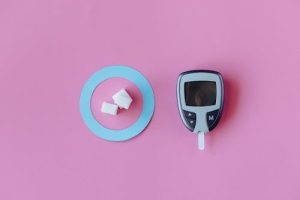
Imbalanced blood sugar levels can cause energy dips, mood swings, sugar cravings, and faster aging. Dr. Gottfried notes that blood sugar imbalances are also a precursor to diabetes, which is linked to numerous chronic diseases. To prevent these issues, it’s essential to maintain balanced blood sugar levels and avoid processed foods that spike insulin.
Action Steps:
- Avoid Sugary and Processed Foods: Cut back on sugary snacks and processed Instead, focus on whole, nutrient-dense foods like vegetables, fruits, and lean proteins that stabilize blood sugar.
- Include Fiber in Every Meal: Fiber helps regulate blood sugar by slowing down its Add fiber-rich foods like fruits, vegetables, and whole grains to your meals to keep your blood sugar balanced throughout the day.
5. Prioritize Sleep and Stress Management
Sleep is a cornerstone of aging gracefully. Lack of sleep can negatively impact cognitive function, muscle recovery, and immune health. Similarly, chronic stress accelerates the aging process by increasing inflammation in the body. Practicing mindfulness and managing stress through relaxation techniques like meditation, yoga, and deep breathing can help slow these processes.
Action Steps:
- Establish a Sleep Routine: Aim for 7-9 hours of sleep per Create a calming pre-bedtime routine and try to keep a consistent sleep schedule.
- Practice Stress Reduction: Engage in stress-relieving activities such as meditation, yoga, or spending time in nature. Apps like Headspace or Calm can guide you in mindfulness exercises to reduce stress and improve overall well-being.
The Power of Lifestyle Choices
While genetics undeniably influence the aging process, it’s our daily choices that can have the most profound effect. By adopting habits that support brain health, preserve muscle mass, promote gut health, balance blood sugar, and manage stress, we can slow the aging process and thrive at any age. Aging gracefully is within your control—it’s not just about looking younger, but about feeling vibrant and energized for years to come.
What lifestyle changes have you made to feel younger and more energized? Share your thoughts and experiences with us on our forum: Join the conversation here.