
At 82, As Fit As a 20 Year Old
What does healthy aging actually look like?
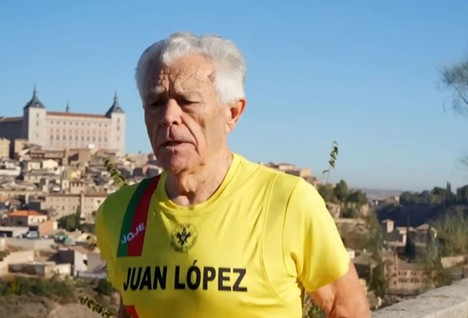
For some people it means slowing down. For others, it means discovering entirely new levels of strength and vitality later in life. One remarkable example comes from Spain, where 82 year old Juan López García has become the focus of scientific research because of his extraordinary fitness.
His story did not begin in a gym.
López García spent decades working as a car mechanic in Toledo, Spain. For most of his life he rarely exercised and never trained as an athlete. Then, after retiring at 66, he decided to try something new.
He ran a mile.
That simple decision eventually led to something extraordinary. Within a few years he was competing in ultramarathons and setting records in his age category. Today scientists say his cardiovascular fitness resembles that of someone decades younger.
A recent Washington Post wellness article about Juan López García’s remarkable physiology explains that researchers are studying his body to understand how some people maintain exceptional endurance and cardiovascular health well into their eighties.
His story challenges a common assumption about aging. Decline is not inevitable. With the right habits, the body can remain resilient and capable far longer than many people expect.
What Scientists Are Learning About Healthy Aging
One of the most striking findings about López García is his aerobic capacity. Aerobic capacity, often measured as VO₂ max, reflects how efficiently the body uses oxygen during exercise. It is widely considered one of the strongest indicators of cardiovascular health and longevity.
Research published in the Journal of Applied Physiology study on cardiorespiratory fitness and mortality shows that higher aerobic fitness is strongly associated with lower risk of heart disease and premature death.
Another major study published in JAMA Network Open examining physical activity and longevity found that people who maintain consistent physical activity significantly reduce their risk of chronic disease and early mortality.
The encouraging discovery from these studies is simple. The human body can respond to physical activity at almost any age.
Even people who begin exercising later in life can dramatically improve their health and physical function.
López García’s journey reflects that idea perfectly.
“The secret of getting ahead is getting started.”
Mark Twain’s words capture the spirit of his story. The hardest step toward better health is often simply deciding to begin.
Movement Changes the Aging Equation
Scientists studying aging repeatedly reach the same conclusion. Physical activity affects nearly every system in the body.
Exercise strengthens the heart, improves metabolic health, maintains muscle mass, and supports brain function. Research from the National Institute on Aging on exercise and cognitive health shows that regular movement can improve memory, reduce cognitive decline, and enhance emotional wellbeing.
Movement is not just about fitness. It protects independence, energy, and resilience as we age.
Stories like López García’s show that aging does not have to follow the script many people assume.
Action Steps to Support Healthy Aging
Start with consistent daily movement
Even moderate activity can deliver major health benefits. The National Institute on Aging exercise guide offers practical exercises designed to improve strength, balance, and endurance at any age.
Track your progress
Fitness apps such as Strava,Apple Fitness Plus, and MyFitnessPal help people monitor activity levels and stay consistent with their goals.
Learn from longevity research
Organizations like Blue Zones study communities where people frequently live past 100 and share practical habits related to movement, nutrition, and social connection.
Explore guided training programs
Platforms like Nike Training Club offer structured workouts that help people build strength and endurance safely.
Keep learning about your health
Courses such as exercise science and healthy aging programs on Coursera can deepen understanding of how the body adapts to physical activity over time.
A Different Story About Aging
For generations, aging was often described as an inevitable slowing down.
Stories like Juan López García’s suggest something far more hopeful. The human body remains capable of transformation throughout life.
The habits we choose today shape the decades ahead. Movement, curiosity, and consistency can create surprising possibilities.
Sometimes it begins with something as simple as running a mile after retirement.
What new habit or challenge might help you feel stronger, healthier, and more energized in the years ahead?
Join the conversation in the Age Brilliantly Forum.