
Akrit Jaswal-Discovering a Passion for Healing at Age 7
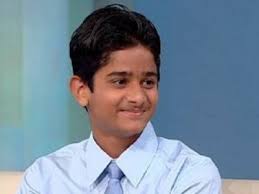
Have you ever felt like there’s something you’re naturally drawn to—an interest or skill that sparks your curiosity so deeply that you can’t wait to explore it? For Akrit Jaswal, that “spark” was medicine, and he discovered it at an age when most kids are still learning to tie their shoes. At just seven years old, he performed his first medical procedure, catching the attention of people across India and eventually the world. If you’re curious about his remarkable story, you can read more in an NDTV article that shines a spotlight on his early genius. Akrit’s journey shows exactly what it means to be an “early starter,” leveraging passion and compounding opportunities well before the teenage years.
Born in Himachal Pradesh, India, Akrit displayed an almost insatiable curiosity about the human body and how it functions. While other seven-year-olds might have been immersed in cartoons or simple board games, he spent his free time reading advanced medical texts—books most of us wouldn’t tackle until much later in life. According to family members, he absorbed complex information with astonishing ease, often discussing surgical techniques and treatments that left adults in awe.
His transition from reading to doing is what truly set him apart. At an age when kids often need help crossing the street, Akrit performed a delicate medical procedure under supervision, successfully separating fused fingers on a young girl’s hand. This event marked the official beginning of his reputation as a “child prodigy in medicine.” News of his feat spread quickly, capturing the attention of the Indian public, and eventually, international media outlets.
Why He’s Considered an Early Starter
Akrit wasn’t just dabbling—he was essentially laying the groundwork for what would become an ongoing pursuit of medical breakthroughs. While many people start planning their futures in their late teens or early twenties, he was already immersed in medical research and practice by the time he entered double-digit age. This unique head start allowed him to explore advanced concepts, experiment with new ideas, and learn from both success and failure without the high stakes that older professionals might face.
He once said in an interview, “I’m driven by a desire to reduce suffering in the world, particularly from diseases we still don’t fully understand.” This mindset, combined with his youth, meant he had years—if not decades—of learning and experience ahead of him, all accumulating like a snowball rolling downhill. Each step, each piece of research, each patient contact became part of a larger synergy that propelled him forward faster than if he’d waited until adulthood.
The Power of Early Exposure
It’s worth noting that Akrit’s journey was shaped not only by personal will but also by a supportive environment. His parents, recognizing his extraordinary aptitude, encouraged him to pursue his interests, helped him find books, and facilitated connections with medical professionals whenever possible. Teachers and mentors played a role too, exposing him to research labs and higher-level academic materials that usually wouldn’t be available to someone his age.
This environment of continuous learning and challenge underscores the benefits of early exposure. By diving into the complexities of the human body early on, Akrit developed both confidence in his abilities and a sense of mission—two qualities that fueled his continued studies and eventual recognition as one of India’s most talked-about child prodigies.
Balancing Curiosity with Responsibility
One critical aspect of Akrit’s story is how he navigated the ethical considerations of practicing medicine at such a young age. While his first procedure was performed under professional supervision, questions naturally arose about how someone so young could legally and ethically operate on another person. Addressing these concerns, doctors and guardians ensured that the surgeries or procedures he assisted on were safe, limited, and guided by qualified adults. This blend of structure and freedom allowed him to hone his skills responsibly.
“My work comes from a place of compassion,” he was quoted as saying, emphasizing that his goal was never to show off, but to help people in pain. That sense of altruism guided him through controversies and skepticism. Rather than fostering arrogance, his early success led him to seek further education, refine his techniques, and continue asking deeper questions about medical science.
Gaining Worldwide Attention
As word spread, Akrit found himself on television interviews, in magazine features, and at conferences where he spoke about the intersection of youth and innovation. The more he shared his experiences, the more people became fascinated by what can happen when a young person is given room to excel in a field typically reserved for adults. Medical specialists and educators both admired and debated his case, discussing the role of prodigy-level talent in advancing science.
Yet, Akrit remained humble, often pointing out that he was still learning. He expressed interest in areas like oncology and genetic research, setting long-term goals to develop cures for various forms of cancer. By channeling the spotlight into meaningful conversation about disease prevention and treatment, he turned personal recognition into a platform for broader change.
Lessons from a Child Prodigy
Akrit Jaswal’s trajectory illuminates several key insights for anyone with big dreams, regardless of age:
- ● Start Sooner Than You Think: Waiting is often a self-imposed barrier. If you’re passionate and have the basic resources, begin exploring now.
- ● Embrace Expert Guidance: Even prodigies need mentors. Akrit’s journey shows how adult supervision can create a safe environment for extraordinary skills to flourish.
- ● Stay Grounded in Purpose: Whether you’re an early starter or a seasoned veteran, focusing on why you do something keeps you motivated and humble.
- ● Leverage Every Moment: Each book you read, each conversation you have, each step in a new project adds up—leading to compounded knowledge and expertise.
Who Inspires You?
From reading medical encyclopedias at age seven to performing supervised surgeries, Akrit Jaswal’s story exemplifies how even the youngest minds can make incredible strides. His passion for healing ignited early, sparking a career trajectory that continues to evolve. The question is, do you know someone—perhaps a sibling, friend, or even yourself—who’s similarly driven by a deep curiosity and a desire to help others?
Share their stories or reflect on your own. After all, the spark of inspiration often begins with seeing that greatness can come at any age. For Akrit, it started at seven, and his example reminds us that the earlier you begin pursuing your calling, the more time you have to master it—and the bigger the impact you can make.