
Aging Without Pain. What Mobility Training Can Do
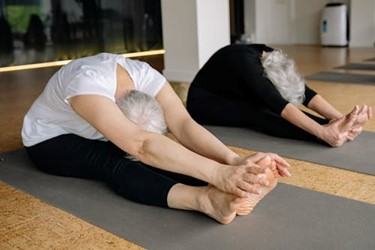
Pain doesn’t have to be part of aging. Contrary to the common belief that stiff joints, sore muscles, and limited movement are simply part of “getting older,” more and more research shows that many of these conditions are not inevitable—they’re preventable. Mobility training is one of the most effective and empowering ways to protect your body, stay active, and extend your independence well into your 90s and beyond.
Mobility is not just about movement; it’s about quality of life. From getting up without assistance to traveling, dancing, and playing with grandchildren, good mobility allows us to live fully. “You don’t stop moving because you grow old, you grow old because you stop moving,” said legendary coach Tom Hafey. Embracing that philosophy, mobility training is about preserving range of motion, balance, and joint health—all critical components of aging vibrantly.
Why Mobility Training Matters
Mobility training targets the body’s ability to move freely and efficiently through its full range of motion. This isn’t the same as flexibility, which often focuses on muscles. Mobility includes the health of your joints, tendons, ligaments, and coordination. According to a 2022 study in the Journal of Aging and Physical Activity, older adults who engaged in regular mobility and balance training showed significantly lower risks of falls, joint pain, and physical decline.
Another meta-analysis published in BMC Geriatrics found that seniors who practiced mobility-focused exercises at least three times per week had a 33% lower risk of developing disability or mobility limitations.
Key Components of a Mobility Routine
A strong mobility routine doesn’t require a gym or fancy equipment. It focuses on:
- Joint Circles & Dynamic Stretching: These gentle movements lubricate joints and prepare the body for activity.
- Stability & Balance Work: Using exercises like standing leg lifts, single-leg stands, or yoga poses improves proprioception and fall prevention.
- Strength Training with Full Range of Motion: Using light weights or resistance bands through controlled movements protects joint function.
Apps like ROMWOD and GOWOD offer tailored daily mobility routines. If you prefer free resources, check out YouTube channels like Tom Merrick – The Bodyweight Warrior, which focuses on joint care and mobility optimization for all ages.
Preventing Pain and Promoting Freedom
A lack of mobility leads to compensations in movement—your body tries to protect itself, often resulting in chronic pain. One study by the American Academy of Orthopaedic Surgeons reports that reduced hip and ankle mobility is strongly correlated with low back pain in older adults.
The solution? Intentional movement. Incorporating simple mobility routines into your day, like shoulder rolls in the morning or ankle circles during TV commercials, can be transformative over time. More structured programs, like tai chi or functional movement classes, have also shown immense benefit for joint preservation and fall prevention (source).
You can also incorporate tools like foam rollers, lacrosse balls, or massage guns to improve fascial health and reduce tension buildup.
Integrating Mobility into Everyday Life
Here are simple actions you can take right now:
- Start a daily 5-minute mobility session: Set a timer and choose 2–3 joint movements (neck rolls, cat-cow stretches, wrist circles) to do each morning.
- Use tech to stay on track: Try the StretchIt app or Daily Yoga to get guided programs that include mobility and breathwork.
- Don’t forget posture: Slouching reduces shoulder, neck, and hip mobility. Apps like Upright Go can remind you to maintain alignment.
- Find movement you enjoy: Whether it’s pickleball, ballroom dancing, or gardening—joyful movement keeps you consistent and improves overall mobility naturally.
Let’s Get Moving—Together
Mobility is a lifelong investment in your health and independence. And it’s never too late to start. You can begin with just 5 minutes a day and build from there. What matters is consistency, not intensity.
What part of your body needs more love and attention right now?
Have you found a mobility routine that works for you—or are you just getting started?
What’s stopping you from incorporating movement into your day, and how can you shift that?
Share your insights and goals in the Age Brilliantly forum—whether you’re a mobility newbie or a seasoned mover. We’d love to hear what keeps you going, how you stay pain-free, and what steps you’re taking to thrive at every age. Let’s inspire and support one another—one stretch at a time.